
Welcome to my June blog.
It’s been another busy and positive month across health and care in Norfolk and Suffolk, with plenty of examples of the innovation, partnership and dedication that continue to make a difference for local people every day.
This blog is intended to highlight and recognise the excellent people and their work I see in the system rather than a formal record of NHS operational performance in Norfolk and Suffolk, which is articulated in public board meetings. However, I wanted this month to begin by summarising our progress in 2025/26 to show that amongst the many challenges there is improvement, reflecting the wider trend upwards in the NHS.
In Norfolk and Suffolk, our financial position is now stronger than before. Having delivered our plan in the past financial year, we have set aside resources to invest in service transformation in 2026/27. We have seen significant improvement in NSFT, our Mental Health Trust, as reflected in CQC ratings and performance data. We have seen the best performance from our Ambulance Trust in five years. Our GP services benchmark significantly above the national average and there are two excellent GP Federations and LMCs supporting the sector. We are increasing access to NHS dental services, particularly in urgent dental care, and will be opening additional access for routine dentistry soon. Our pharmacy sector is an area of strength. Our community services perform well and there is outstanding work with our councils and voluntary sector in preventing hospital admissions and the timely discharge of patients. Our acute trusts in Norfolk and Waveney are collaborating as part of a Group structure and are addressing long-standing performance concerns and are strategically ambitious. Equally there is a greater degree of collaboration between West Suffolk FT and ESNEFT than ever before, particularly around orthopaedic care. We are the only system in the country to be planning for three new hospitals (in Gorleston, King’s Lynn and Bury St Edmunds), with a multi-billion-pound investment. We are now among the national leaders in a number of public health initiatives, such as in referrals to NHS Digital Weight Management services.
Alongside these encouraging examples are big operational challenges we must make progress on. For instance, despite improvements in access to our emergency departments and the responsiveness of the Ambulance Trust, ambulance handover times remain too long. This not only creates a poor experience for patients but also delays crews from responding to subsequent emergency calls. Our elective waiting lists and referral to treatment performance is behind national average, and long waits can impact on health and wellbeing. Our waiting times for neurodiversity care, particularly for children and young people, are too long. These are challenges that we are determined to meet this year, and we will prioritise investment to support this aim.
Delivering more care closer to home
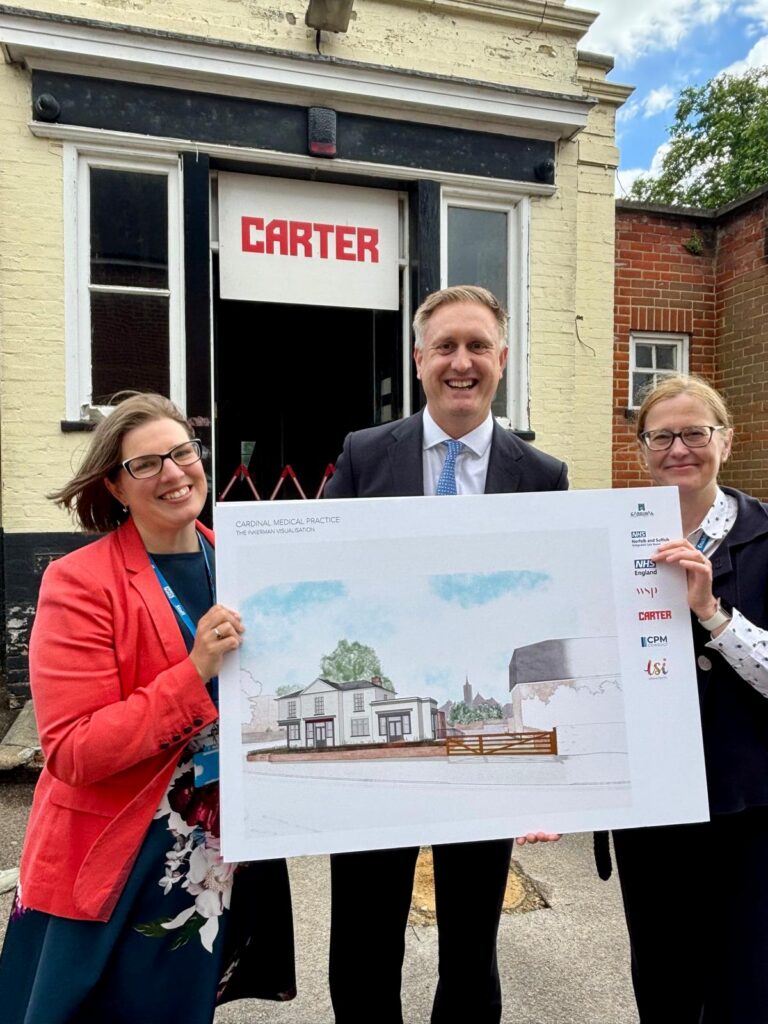
I’m delighted to begin with some genuinely exciting news from this week. Construction has now officially begun on the transformation of the former Inkerman Pub on Norwich Road in Ipswich into a new GP surgery, marking a significant milestone for both the project and the local community.
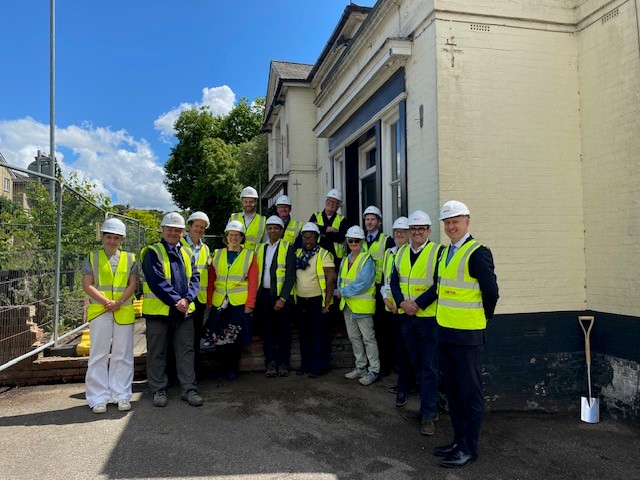
Led by Cardinal Medical Practice with support from the ICB, the development will bring a long-vacant historic building back into community use while expanding access to primary care services for local residents. Once complete, the new facility will provide seven modern clinical rooms, additional office space and a large community room, increasing capacity and helping more people access services closer to home.
The project is a great example of how we are investing in local services, making better use of community assets and creating modern healthcare environments that meet the needs of growing populations. It has only been made possible through strong partnership working between Cardinal Medical Practice, Ipswich Borough Council, the project team, local partners and patient representatives, all of whom have played an important role in bringing the scheme to this stage.
Looking ahead, neighbourhood health centres will play an important role in our ambition to deliver more joined-up care within local communities. Working alongside GP practices, community services, social care and voluntary sector partners, these local hubs will improve access to prevention, health checks, long-term condition management and rehabilitation support. At the heart of this approach will be Integrated Neighbourhood Teams, bringing health and care professionals together to better coordinate services, reduce duplication and provide more personalised support. We are currently developing a pipeline of potential sites across Norfolk and Suffolk to help bring this vision to life.
Partnership working is also helping us improve access to a range of community-based services. East of England Community Health and Care NHS Trust’s Integrated Contraception and Sexual Health service (iCaSH) continues to provide free, confidential sexual and reproductive healthcare across Bedfordshire, Cambridgeshire, Milton Keynes, Norfolk and Peterborough. Alongside clinical services, outreach teams work directly with schools, colleges and community groups to improve access to care and education.
The Trust has also launched a new five-year Clinical and Care Strategy focused on neighbourhood care, hospital-at-home services, virtual wards and greater integration between health and care services.
Across the wider system, Urgent Care Coordination Hubs are helping more people receive the right care in their homes or communities, reducing unnecessary ambulance call-outs and hospital conveyances. Ambulance waits are shorter, people are being discharged more quickly, and more care is being delivered outside traditional hospital settings.
There have also been some fantastic examples of organisations investing in environments that improve patient experience. ESNEFT has opened the Background Bob Children’s Sensory Room and Garden, funded through more than £250,000 raised by the local community. The dedicated therapeutic space provides a calm and supportive environment for children, young people and families receiving care.
The Trust has also highlighted the impact of its specialist bereavement support services, including the Tree of Remembrance in Holywells Park and the Rainbow Clinic at Ipswich Hospital. For more than a decade, these services have supported families experiencing pregnancy and baby loss, with the Tree of Remembrance now featuring around 300 commemorative leaves.
West Suffolk NHS Foundation Trust has secured £44,597 in charitable funding through the Friends of West Suffolk Hospital, benefiting 20 hospital and community services through investment in specialist equipment and patient support initiatives.
Alongside these developments, planned care performance continues to improve. Across Norfolk and Suffolk, the overall waiting list has reduced by 6.5%. Two-year and 18-month waits have been eliminated, and we are now close to eliminating 12-month waits across the system.
Moving from sickness to prevention
One of the strongest examples of our shift from sickness to prevention is the success of targeted lung cancer screening.
Since expanding the programme across Great Yarmouth, Gorleston and Lowestoft in 2023, around 8,000 CT scans have identified 102 previously undiagnosed lung cancers, with around two-thirds detected at an early stage when treatment is most effective. The programme has also identified 29 additional cancers and supported the diagnosis of conditions such as chronic obstructive pulmonary disease (COPD), enabling earlier intervention and better outcomes.
This success reflects wider progress across cancer services, where we have seen a 4% increase in cancers diagnosed at an early stage, helping more people receive treatment sooner and improving survival rates.
The benefits of prevention can also be seen in our work to support people living with, or at risk of developing, long-term conditions. Norfolk and Waveney was the highest-performing Integrated Care System in England for referrals to the NHS Digital Weight Management Programme during 2025/26, achieving 187% of its referral target. With 92% of GP practices referring eligible patients, 4,458 people were offered personalised digital support to help them make lasting lifestyle changes.
These achievements sit alongside record levels of NHS Health Checks, the achievement of learning disability annual health check targets, national-leading referrals into diabetes prevention programmes and improved identification and management of hypertension to help prevent heart attacks and strokes.
Prevention is not just about healthcare services; it is also about meeting people where they are. At this year’s Suffolk Show, visitors engaged with NHS teams and partners to learn more about heart health, blood pressure monitoring, social prescribing and local support services. Combined with some of the highest vaccination rates in the East of England, these efforts are helping people stay healthier for longer and reducing the impact of preventable illness.
Making better use of digital and data
Innovation and technology continue to transform how we deliver care, helping us improve access, reduce inequalities and provide more personalised support.
A University of Suffolk study highlighted the role community pharmacies can play in supporting digital inclusion. The project involved 49 pharmacies across Suffolk and North East Essex, with NHS App training delivered to 98 pharmacy team members and 34 community representatives.
Usage of the NHS App increased significantly following the training. During a nine-week pilot involving 28 pharmacies, more than 4,000 conversations about the app took place and 2,041 patients were supported to download and use it, representing a conversion rate of 51%.
This work builds on strong public confidence in pharmacy services, with 87% of patients in Norfolk and 88% in Suffolk reporting a positive experience.
Digital innovation was also the focus of a recent Norfolk and Suffolk ICB conference, which brought together clinicians, analysts and system partners to explore how data, population health management, genomics and digital tools can help identify risk earlier, target support more effectively and improve health outcomes.
Building on the strong research foundations established across our legacy systems, research and innovation continue to flourish across Norfolk and Suffolk. We remain the only integrated care board in England recognised as an Insite location and have achieved record levels of grant income, hosting more than £20 million in National Institute for Health and Care Research (NIHR) funding this year.
A major research partnership has secured a share of a £10 million Medical Research Council investment, including £1.4 million for the East of England, helping clinicians undertake research alongside frontline practice.
Norfolk and Suffolk NHS Foundation Trust has also secured £452,000 in NIHR funding to establish a digital-enabled research hub for mental health, dementia and neurodevelopmental conditions, expanding opportunities for local people to participate in cutting-edge research.
Working with partners to support wider social and economic development
The impact of partnership working extends far beyond healthcare, helping to strengthen local economies, create opportunities and support future generations.
Applications are now open for the first student places at the East of England’s new dental school at the University of East Anglia. Delivered from a new £3 million dentistry centre at the Norfolk and Norwich University Hospital, the programme will welcome its first cohort of 25 government-funded dental students in September 2027 and help strengthen the future NHS dental workforce.
Norfolk and Suffolk will also benefit from a share of a £65.4 million national investment to create 2,000 nursing degree apprenticeships over the next three years. In 2024/25 alone, 108 nursing degree apprentices were recruited locally.
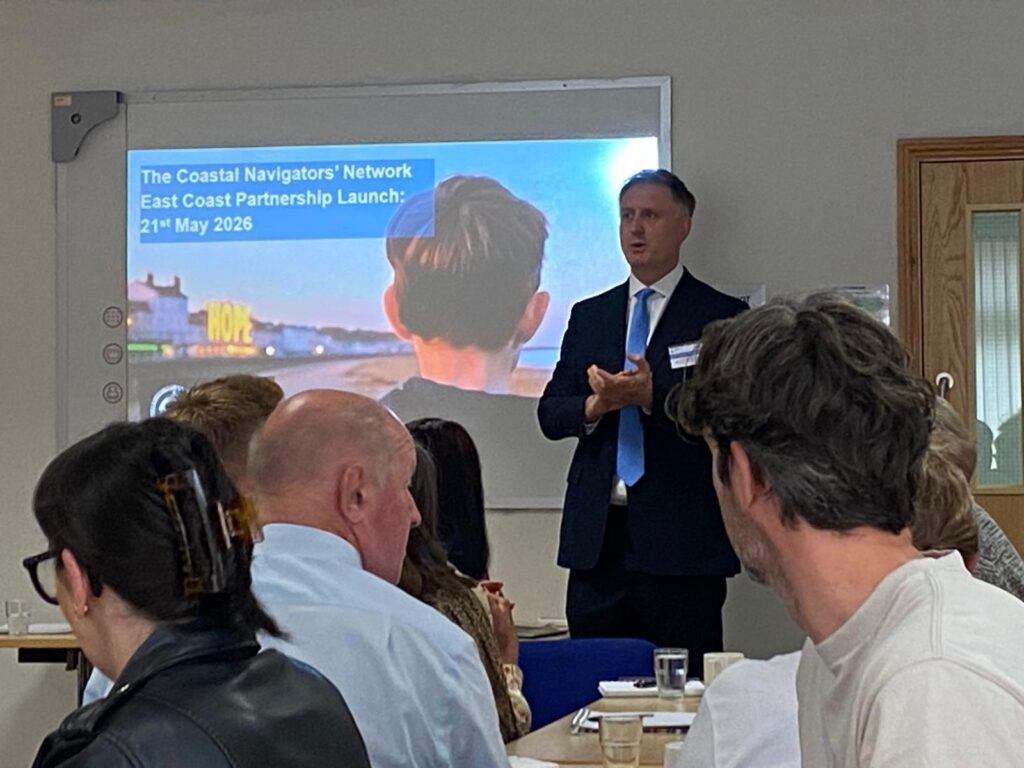
The new East Coast Partnership has committed to creating 500 employment, volunteering, apprenticeship and training opportunities across Lowestoft, Great Yarmouth and Felixstowe, helping tackle health inequalities while supporting economic growth in coastal communities.
Inspectors have also recognised significant progress in Suffolk’s SEND improvement journey. In March 2026, 80% of Education, Health and Care Plans were issued within the statutory 20-week timeframe, compared with just 5% a year earlier and above the national average of 46.4%.
Norfolk County Council’s Children’s Services has also been rated Outstanding in all five areas by Ofsted, reflecting years of partnership working and investment in improving outcomes for children and families.
One of the things that makes our NHS special is the role local people play in shaping and improving services. I’d encourage anyone with an interest in local healthcare to consider standing in the upcoming governor elections at the James Paget University Hospitals, Norfolk and Norwich University Hospitals or The Queen Elizabeth Hospital King’s Lynn. Governors play an important role in representing the views of patients, staff and local communities, helping to shape services and hold organisations to account.
If you’re passionate about making a difference and helping influence the future of your local NHS, please consider putting yourself forward.
Celebrating our people
The achievements I’ve highlighted throughout this update would not be possible without the dedication and commitment of our people.
Andy Wall, from our ICB vaccination team, recently received national recognition through the British Heart Foundation and Sky Bet’s Every Minute Matters campaign, with Wembley Stadium renaming one of its stands in his honour during the EFL Play-Off Finals. Following his own cardiac arrest, Andy has become a passionate advocate for CPR awareness, helping to shine a light on a stark reality: only one in 10 people survive an out-of-hospital cardiac arrest.
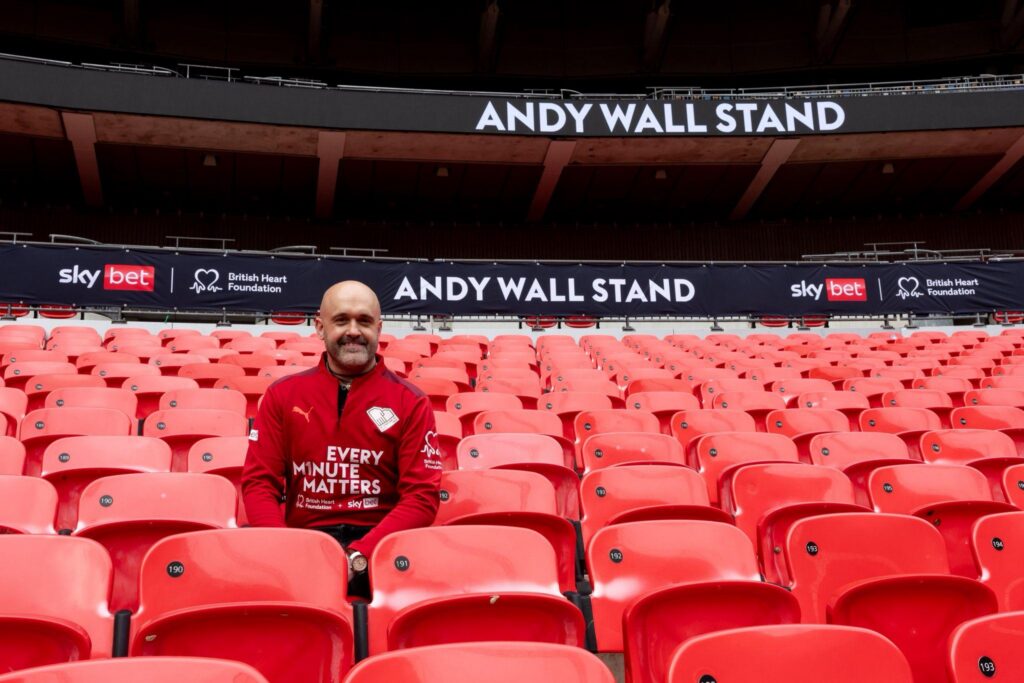
Inspired by Andy’s story, we launched a British Heart Week campaign across Norfolk and Suffolk to encourage more people to learn this simple but potentially lifesaving skill. Since May 2024, more than 520,000 people across the country have completed the British Heart Foundation’s free RevivR training, which takes just 15 minutes to complete.
My challenge to everyone reading this blog is simple: take those 15 minutes. You never know when you might be called upon to help a loved one, friend, colleague or even a stranger. Learning CPR could one day mean the difference between life and death. Together, we can build a community where more people have the confidence and skills to step forward and save a life.
I was also pleased to see Lisa Nobes, Executive Director for Nursing at Norfolk and Suffolk ICB, speaking at Norfolk and Suffolk NHS Foundation Trust’s Nursing Conference on International Nurses Day. Addressing more than 350 nurses from across the Trust, Lisa highlighted the important role nurses play in shaping services and ensuring care is designed around the needs of patients and communities.
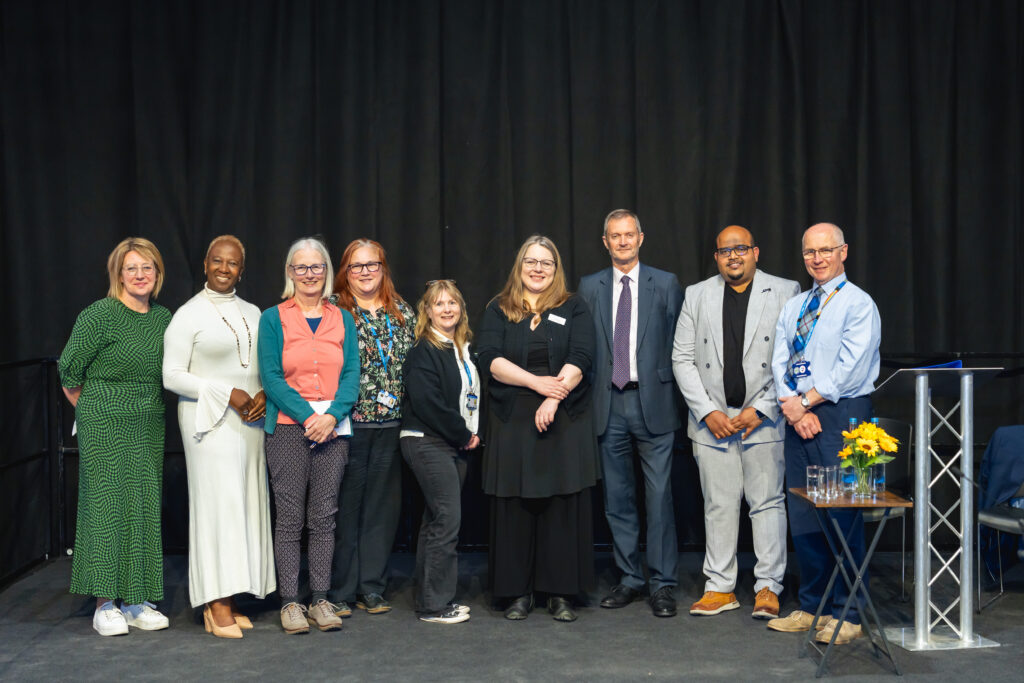
It was a fitting opportunity to recognise the dedication, compassion and expertise that nurses bring to our health and care system every day.
Our ICB Research and Innovation Team was recognised at the Research and Development Forum Conference 2026, attended by more than 900 delegates, for their work to expand research opportunities beyond traditional hospital settings.
Colleagues at the James Paget University Hospital also received national recognition for their contribution to the international POLARiS study after recruiting more than 50 participants locally.
At The Queen Elizabeth Hospital King’s Lynn, student midwife Nancy Williams-Eley became the first recipient of the Chief Midwifery Officer for England Student Excellence Award, recognising her innovation and commitment to improving care for women and families.
The Queen Elizabeth Hospital also celebrated Volunteers’ Week by recognising the hundreds of volunteers who support patients, visitors and staff every year.
I’d also like to congratulate Richard Watson and Amanda Lyes, who have been appointed Visiting Professors at the University of Suffolk in recognition of their contributions to health system transformation and workforce development, further strengthening links between the NHS and academia.
Finally, I’d like to close this month’s update with a personal reflection.
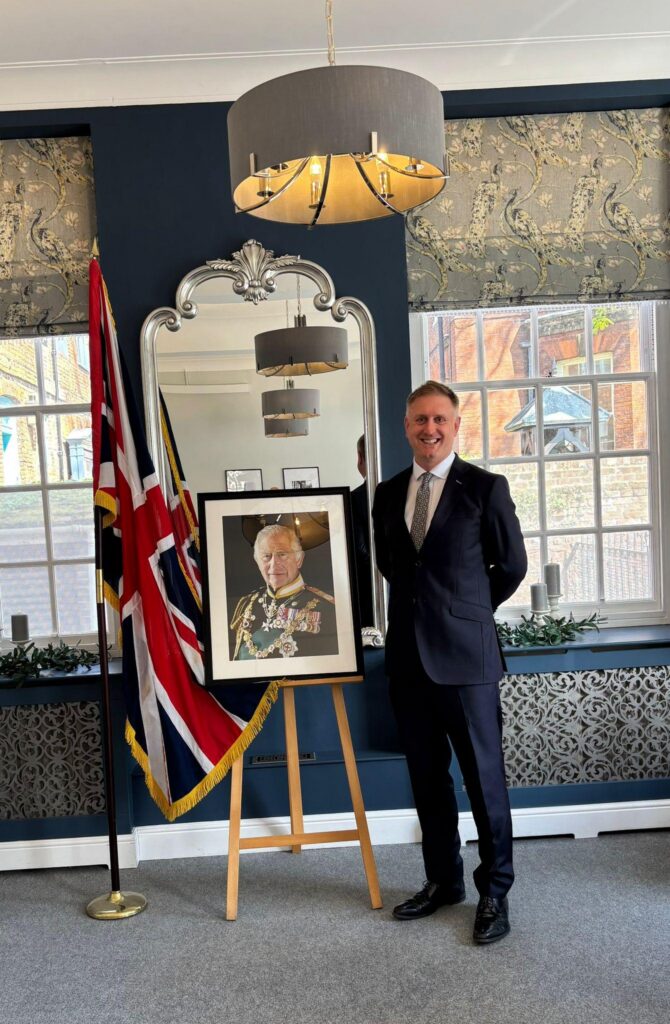
Recently, in my role as a Deputy Lieutenant of Suffolk, I had the privilege of presiding over a citizenship ceremony, welcoming people from many different countries as they became British citizens. It was a genuinely moving experience and a reminder of the strength that comes from bringing together people with different backgrounds, experiences and stories.
Moments like these remind me that kindness, compassion and community are at the heart of everything we do. They are values I see every day in our NHS and wider health and care workforce, in volunteers, community groups and local residents who go out of their way to support others.
As we continue building our new organisation together, those values will remain at the heart of everything we do.
Until next month, thank you for everything you do for the people and communities of Norfolk and Suffolk.
Best wishes,
Ed