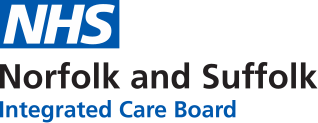

This month has been a reflective one for me, as I was proud to receive my 20 Years NHS Service Award. Looking back, it has been a privilege to see the NHS continually evolve to meet the changing needs of our communities. Through every challenge and every change, one thing has remained constant: the dedication, compassion and professionalism of the people working across health and care.
As Chief Executive of NHS Norfolk and Suffolk Integrated Care Board, I remain optimistic about what we can achieve together. In this month’s blog, I’ve reflected on some of the progress we’ve made against the ambitions of our Population Health and Commissioning Strategy, alongside a few well-deserved celebrations of the people making a difference across Norfolk and Suffolk.
Delivering more care closer to home
It is encouraging that the latest GP Patient Survey shows people across Norfolk and Suffolk continue to report a better-than-national experience of local GP services. Eight in ten patients rated their overall experience as good, while 92% said their needs were met at their last appointment.
We know there is still more to do, including improving access to NHS dentistry, but these results reflect the commitment of colleagues across primary care and the progress being made to provide accessible, responsive services.
The latest National Cancer Patient Experience Survey also provides encouraging evidence that care is becoming more joined up and personalised. More than 1,800 local patients rated their care an average of 8.9 out of 10, with particularly positive feedback about teamwork, personalised support and involving families in decisions. The findings will also help us focus on the areas where further improvement is needed.
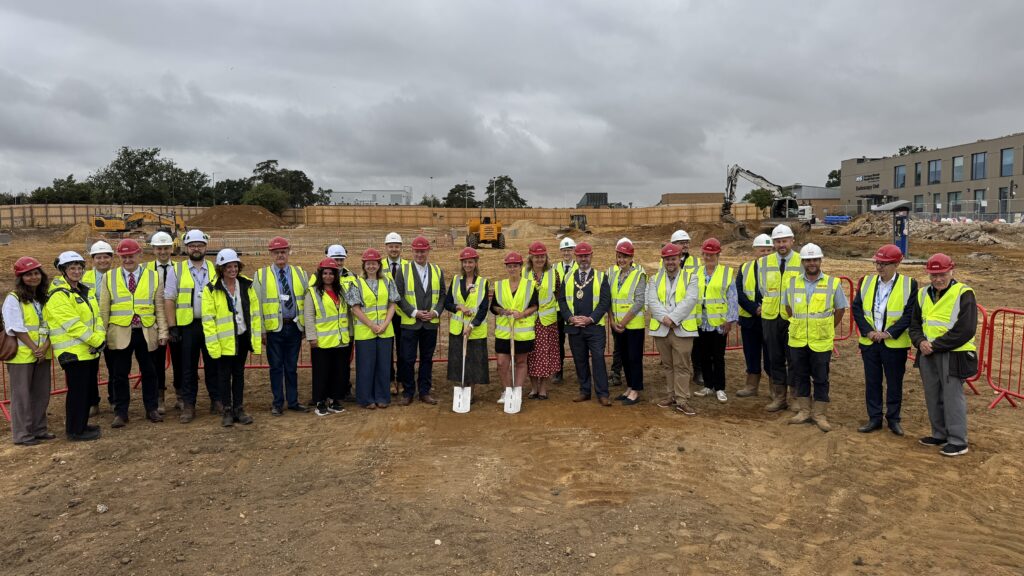
We are continuing to invest in the facilities that will support local communities for years to come. At James Paget University Hospital, plans are progressing for a new Urgent Treatment Centre, expected to open next spring subject to planning approval. It will help more people with urgent but non-life-threatening conditions receive timely care while reducing pressure on the Emergency Department.
In West Norfolk, work has also begun on the new multi-storey car park at The Queen Elizabeth Hospital King’s Lynn (QEHLK). While it may appear to be a parking project, it is one of the important enabling works needed to make the new hospital possible.
Moving from sickness to prevention
One of the most significant milestones recently has been the publication of our new Mental Health Strategic Plan 2026–2031.
At its heart is a £20 million investment to expand Mental Health Support Teams into every school and college across Norfolk and Suffolk by 2030. Alongside this, the plan includes stronger neighbourhood mental health services, community hubs, improved family support and redesigned crisis care.
Together, these commitments represent a major investment in prevention and early intervention, helping more people access support before their needs escalate.
Vaccination remains one of the simplest and most effective ways to prevent serious illness. This month, the NHS launched an MMR catch-up campaign for children who may have missed one or both doses. Eligible young people preparing for university are also being encouraged to book their Meningitis B vaccination before term begins.
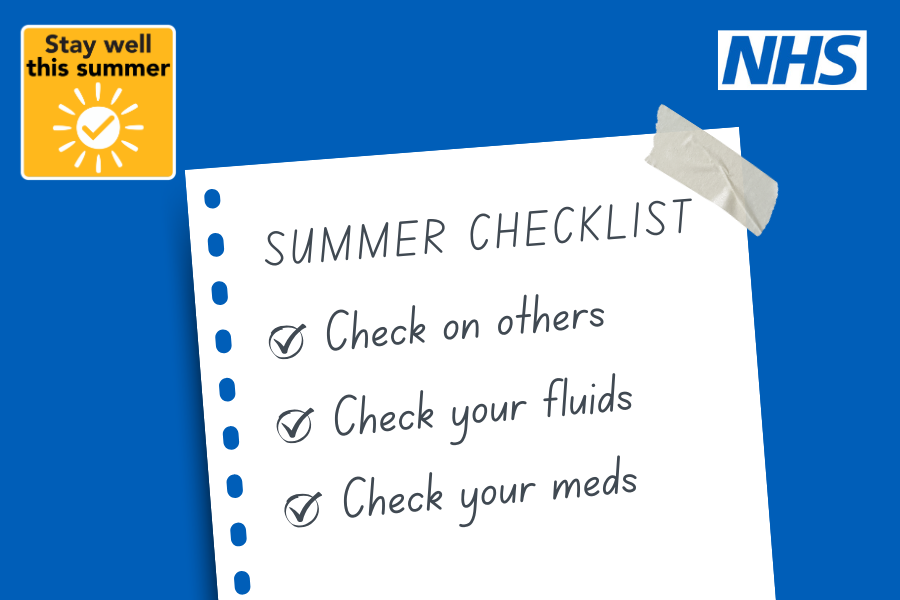
Our Stay Well This Summer campaign is encouraging people to remember three simple messages: check on others, check your fluids and check your medicines. It also reminds people about services such as Pharmacy First and NHS 111, helping them access the right care in the right place.
Prevention is also about supporting wellbeing throughout life. Norfolk County Council’s Feel Connected campaign is helping older people remain socially active, while the Big Norfolk Holiday Fun programme is providing activities and healthy meals for children and families over the summer.
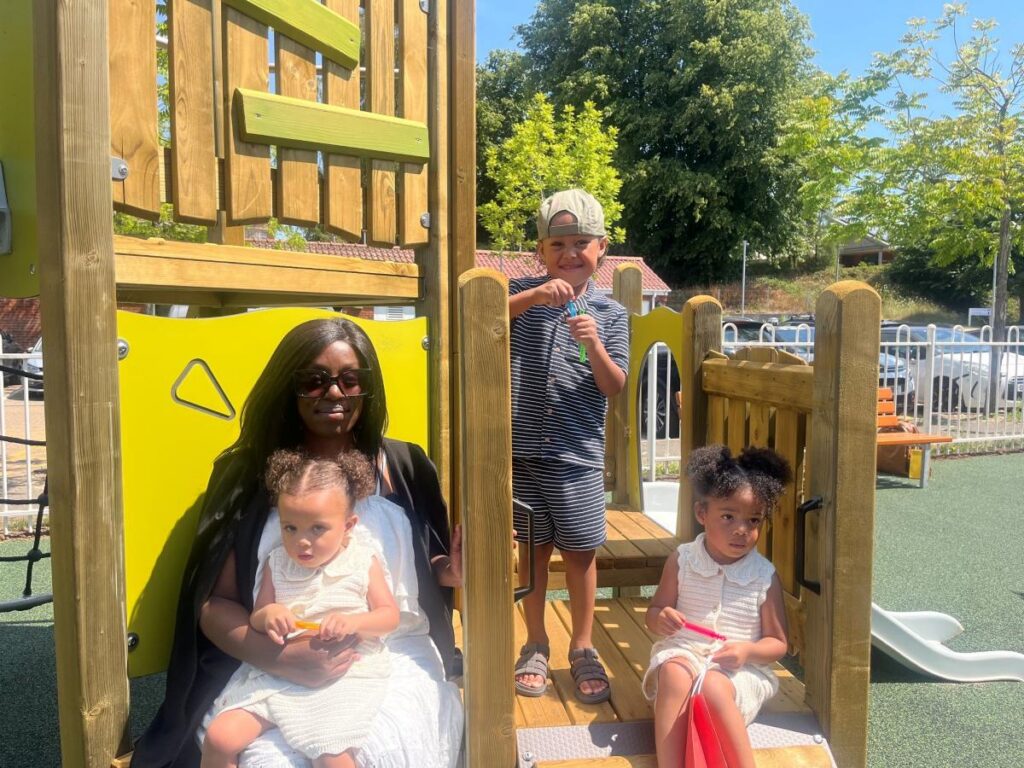
At Hellesdon Hospital, a new sensory play area at the Kingfisher Mother and Baby Unit will help parents and babies spend positive time together as part of their wider care and support.
Another excellent example of prevention in action is the new clean air campaign being delivered across Suffolk and Essex. Working with local authorities, Primary Care Networks and NHS partners, healthcare professionals are being equipped to have simple 30-second conversations with patients about the health impacts of air pollution and the practical steps they can take to reduce their exposure. Sometimes the smallest conversations can make the biggest difference, and by embedding this advice into everyday appointments we have an opportunity to help prevent illness, reduce health inequalities and empower people to make informed choices about their health.
Making better use of digital and data
Digital innovation and research continue to transform the way care is delivered across Norfolk and Suffolk.
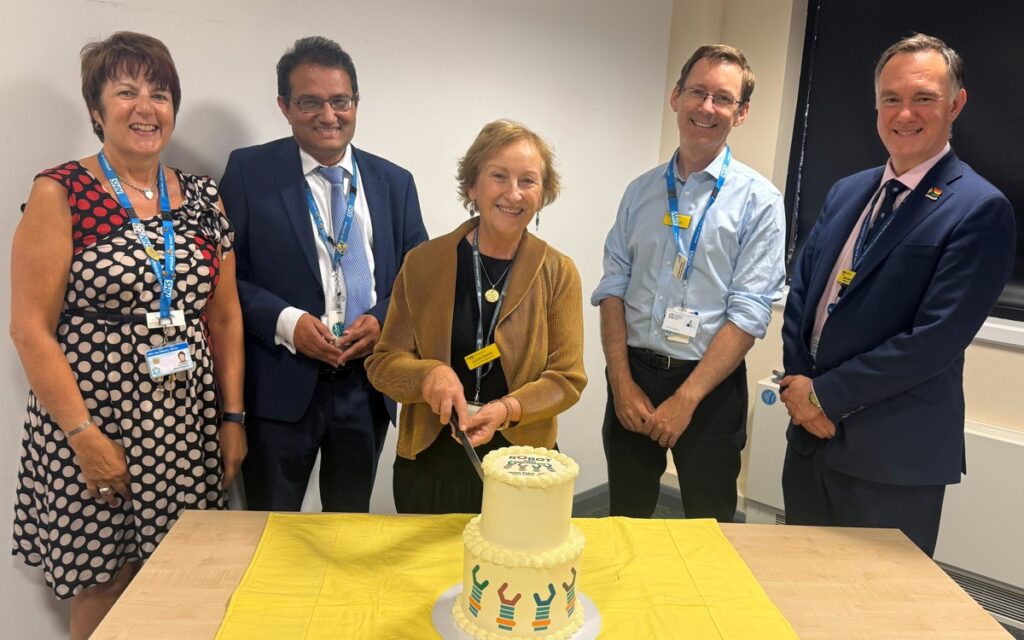
At James Paget University Hospital (JPUH), the da Vinci X robotic surgical system recently celebrated its first birthday, having now supported more than 335 operations in its first year. The technology enables highly precise, minimally invasive surgery, helping patients recover more quickly and spend less time in hospital.
Researchers at the Norfolk and Norwich University Hospital and Quadram Institute have also established one of the UK’s first tonsil biorepositories. This important resource will support future research into oral health and cancer.
Meanwhile, clinicians from QEHKL and Norfolk and Norwich University Hospital are expanding pioneering research into radiation cystitis – a rare but debilitating side effect of cancer treatment. The early results are remarkable. Hospital visits reduced by 97%, time spent in hospital fell by 98%, and bleeding was successfully controlled in every patient after three months. This nationally recognised research has the potential to significantly improve quality of life for many patients.
Working with partners to support wider social and economic development

One of the highlights of my month was attending the Coastal Navigators’ Network event at Westminster, where I spoke about my role as Executive Sponsor of the East Coast Partnership. Bringing together partners from Great Yarmouth, Lowestoft and Felixstowe, the partnership is helping tackle shared challenges and create more opportunities for our coastal communities.
Since launching in May, the partnership has already secured 395 positive destinations – including work experience, apprenticeships and employment – and generated more than 3,000 offers of confidence-building, skills and employability support. It was encouraging to see such strong national interest in this work, and I’m excited to see the partnership continue to grow.
Young people are also helping shape the future of their communities. More than 200 young people took part in Suffolk’s largest-ever Youth Hackathon, sharing ideas about mental health, wellbeing and future public health priorities.
The short film We Had Enough, developed by Suffolk County Council and RESTORE, has given young people affected by domestic abuse an opportunity to share their experiences, raise awareness and help shape future support. You can watch the film below.
Colleagues at JPUH have also been shortlisted for two Nursing Times Awards for an imaginative project using circus skills to involve local communities in health research. It is a creative example of co-production and of reaching people who may not usually engage with research.
Celebrating our people
None of this progress would be possible without the people who work and volunteer across our health and care system.
We are currently recruiting a new Non-Executive Member to join the NHS Norfolk and Suffolk ICB Board. If you, or someone you know, can bring independent thinking, strategic insight and a passion for improving health and care, I would encourage you to find out more before applications close on 4 September.
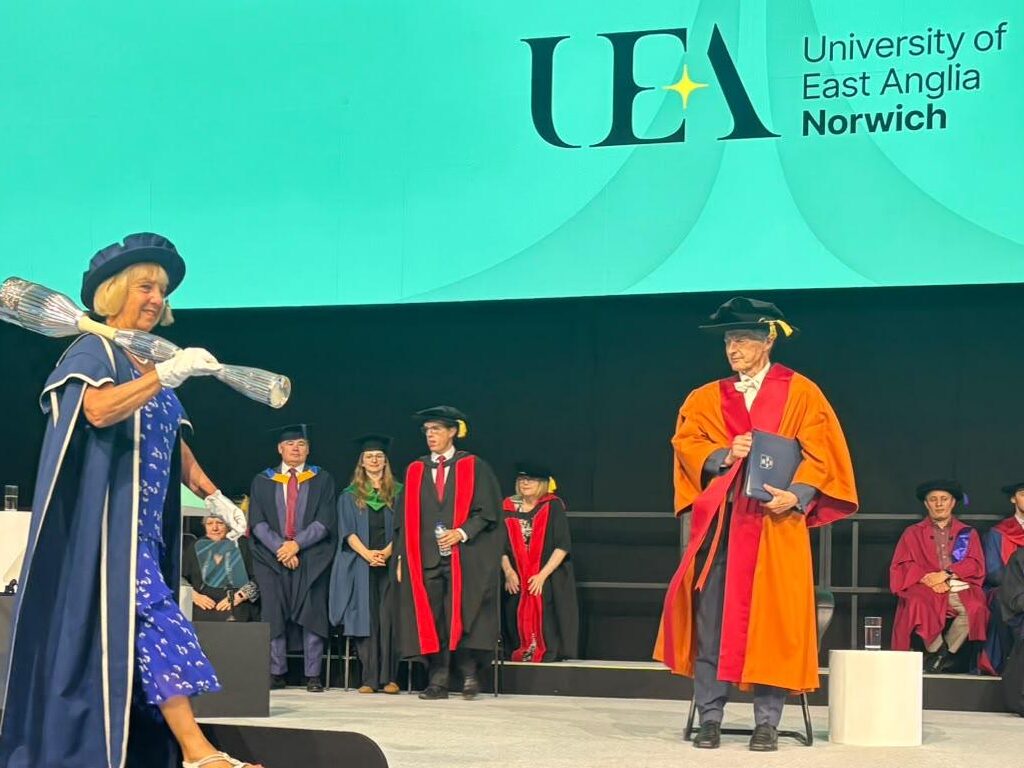
It was also a privilege to attend the University of East Anglia’s Norwich Medical School graduation ceremony. Congratulations to every graduate; you should be immensely proud of what you have achieved, and I hope many of you will choose to build your careers here in Norfolk and Suffolk.
It was equally inspiring to see the next generation already beginning to imagine where a career in the NHS could take them. Congratulations to Eden, from Hilgay Riverside Academy, who was named the East of England winner of this year’s Step into the NHS competition. Eden’s creative entry was part of a project to celebrate the more than 350 careers available across the NHS and highlighted some of the unique roles available. I hope we may one day have the privilege of welcoming Eden, and many other young people inspired by the competition, into our NHS workforce.
At West Suffolk NHS Foundation Trust, more than 300 volunteers contributed over 42,000 hours during the past year. Their generosity has supported patients, families and staff in countless ways and I’d like to say thank you for every contribution.
I’d also like to acknowledge the Suffolk Rehabilitation and Recovery Service at Norfolk and Suffolk NHS Foundation Trust, which recently received a Good rating from the Care Quality Commission. It’s encouraging to see the progress made by the team reflected in the inspection findings and the positive difference this is making for people using the service.
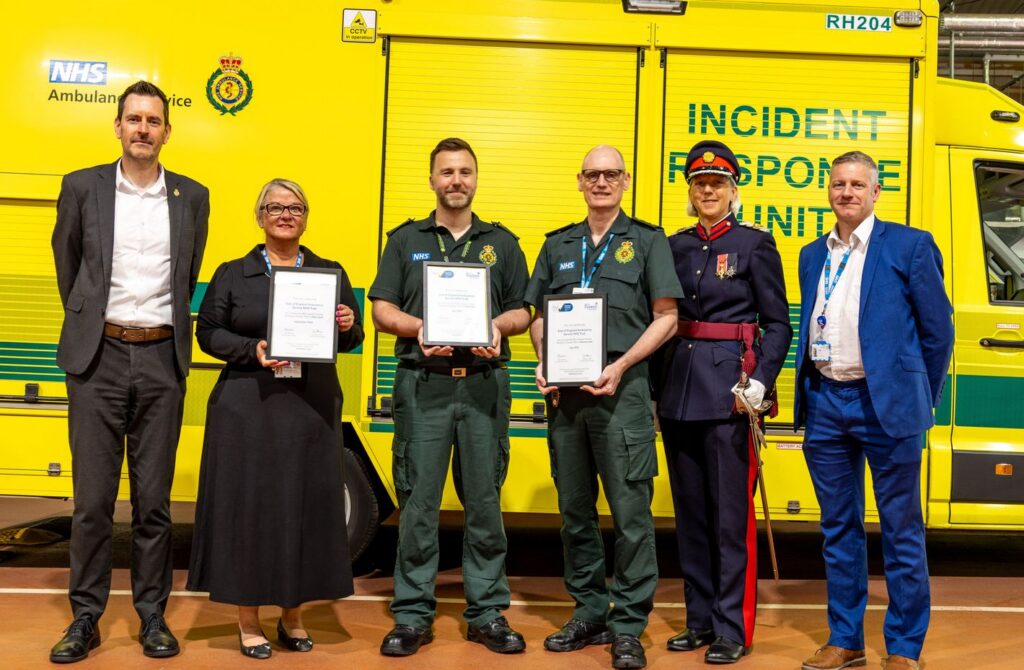
I was also delighted to see the East of England Ambulance Service become the first organisation in the UK to achieve the British Dyslexia Association’s Gold Dyslexia Friendly Workplace Quality Mark. This national recognition reflects the Trust’s long-term commitment to creating an inclusive workplace where neurodivergent colleagues feel supported to thrive and reach their full potential. The Trust also recently celebrated the extraordinary commitment of its people at a long service awards event in Norfolk, where 38 staff and volunteers were recognised for an incredible 960 years of combined service to the NHS. Together, these achievements demonstrate the importance of creating workplaces where people feel valued, supported and able to build long and rewarding careers serving our communities.
Finally, I would like to recognise the extraordinary career of Kim Ness, who has retired after 46 years of caring for patients, including 35 years on the children’s ward at Colchester Hospital. Kim has supported countless children, families and colleagues during her career. On behalf of all of us, thank you for your remarkable contribution to the NHS.
Thank you for taking the time to read this month’s blog.
Whether you are a patient, colleague, volunteer, partner or member of the public, thank you for everything you do to support health and care across Norfolk and Suffolk.
This month’s stories show what can be achieved when organisations, communities and individuals work together around a shared purpose. From improving access and investing in prevention, to advancing research, supporting our coastal communities and celebrating our people, we are continuing to build a healthier future for Norfolk and Suffolk.
I am incredibly proud of what we are achieving together and look forward to sharing more progress next month.
Best wishes,
Ed