
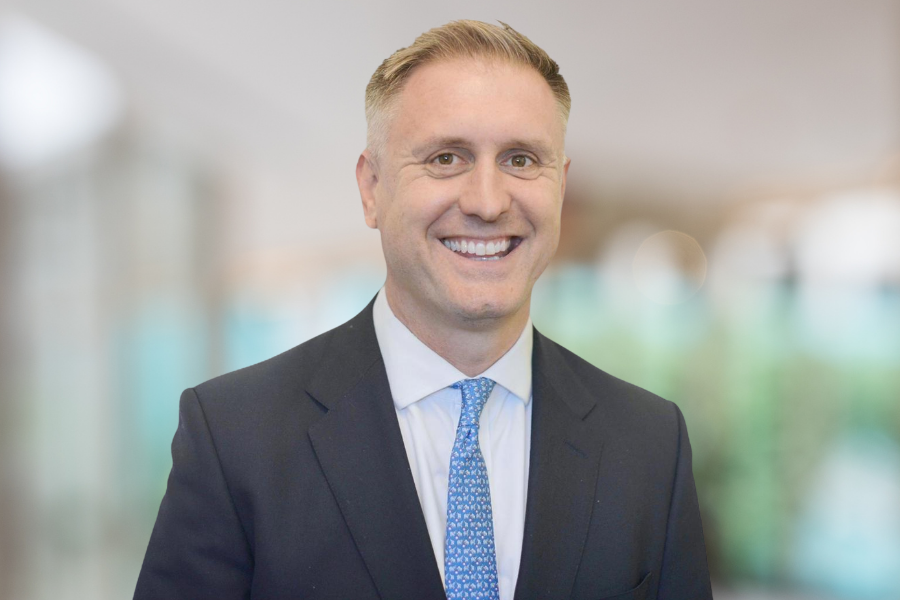
A monthly health and care update from Ed Garratt OBE, Chief Executive
Inside this briefing: £20m to cut waits · Future hospital services · New mental health crisis support · Winter campaign · £2.8m Steps to Safety
Welcome to November’s Norfolk and Suffolk Briefing.
As we head towards winter, there’s a real sense of momentum across Norfolk and Suffolk. From improving access to care and embracing new technology to strengthening support in our communities, there’s plenty happening across our health and care system that gives us reason to be optimistic. This includes important work progressing through the Norfolk and Waveney University Hospitals Group’s Case for Change, which is exploring how hospital services can be delivered safely and sustainably in the future, alongside the opportunities presented by two planned new hospitals.
Spotlight: Major investment to reduce waiting times
I wanted to open with the outstanding news that the ICB has committed to invest up to £20 million during 2026/27 to support additional NHS care and capacity, helping more people access the appointments, diagnoses and treatments they need sooner.
Our immediate priority is reducing waits for planned hospital care, where we know there is more to do to improve access and make progress towards the national ambition for patients to receive treatment within 18 weeks.
But our focus extends beyond hospitals. We’re also looking at how this investment can support improvements across cancer and diagnostic services, community services, mental health, neurodevelopmental services and primary care.
In particular, we’re working with partners to address the longest waits experienced by children and young people, including access to mental health assessments and support for those with neurodevelopmental needs. This includes exploring opportunities to increase assessment and treatment capacity, alongside additional support for adults awaiting ADHD treatment following diagnosis.
We’re also looking at opportunities to improve access to dementia assessments and diagnosis, including testing different approaches to delivering care more efficiently and reducing the time people wait for answers and support.
We know that waiting too long for care can have a profound impact on people’s health, wellbeing and everyday lives. Behind every waiting list figure is someone whose treatment, recovery or quality of life may be affected, and that is why making progress matters so much.
This investment reflects our wider ambition as strategic commissioners to use our resources where they can make the greatest difference, improving access, tackling inequalities and working with partners to deliver better outcomes for our population.
There is considerable work underway with our NHS partners to agree how this funding can best translate into additional care for patients, and I look forward to sharing more about the progress we’re making in the months ahead.
Delivering more care closer to home
One of our biggest ambitions is to help more people receive the care they need closer to home, while ensuring our hospitals can continue providing safe, high-quality specialist services for the future.
An important step came on 4 November, when our ICB Board considered the Norfolk and Waveney University Hospitals Group’s Case for Change, looking at the challenges facing the Norfolk and Norwich, Queen Elizabeth and James Paget hospitals. This includes growing demand, workforce pressures and the opportunities presented by the two planned new hospitals in King’s Lynn and Gorleston.
The Board agreed there was sufficient evidence to take the next step, with our ICB now commissioning and overseeing the development of a Pre-Consultation Business Case to explore a full range of options, and how best to deliver improved outcomes for the population.
I want to be absolutely clear that no decisions have been made to close, reduce or relocate hospital services, including maternity. No preferred options have been agreed and no formal public consultation has been authorised.
For me, this is about looking at the whole health and care system, not our hospitals in isolation. We have an excellent opportunity to consider how we can use the investment in the new hospitals to create a system that is more focused on prevention, communities and enabled by digital technology. We will balance clinical safety with access, travel and health inequalities, and ensure patients, staff and communities have a meaningful voice as this work progresses.
It is so important that we hear the voice of the community as the plans progress. It is therefore very welcome that the Government have confirmed that Healthwatch will continue. Independent patient and public voices are so important, especially as we begin the next stage of work exploring the future of hospital services across Norfolk and Waveney. We must ensure that the experiences of patients, staff and communities help shape what happens next.
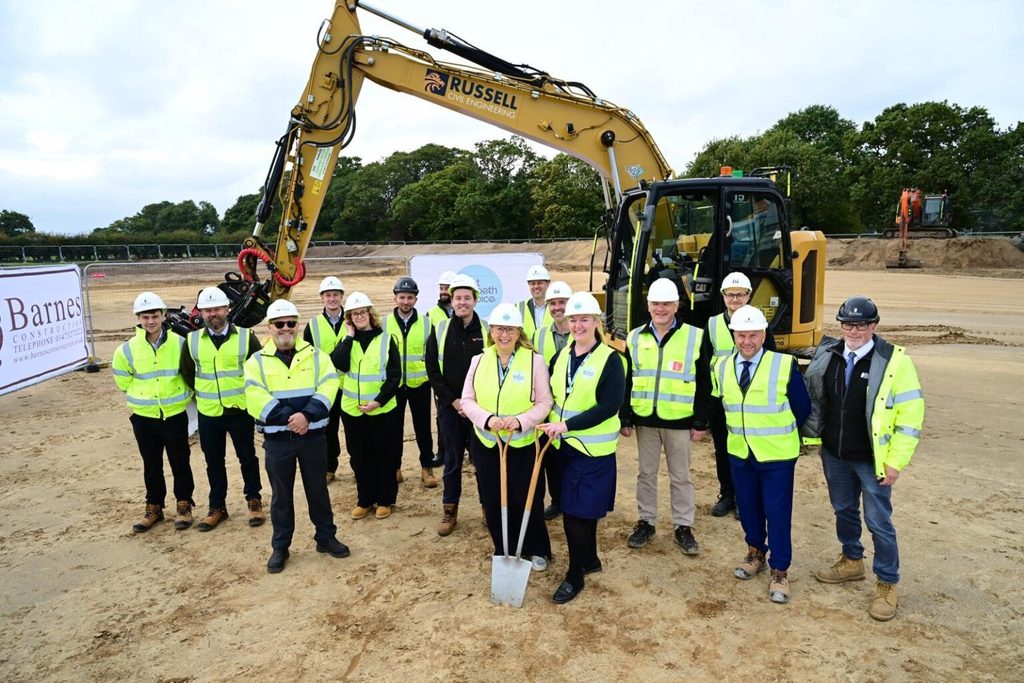
Set alongside the plans for the new hospitals, it is wonderful to see construction begin on the new £16 million St Elizabeth Hospice in Gorleston, marking a significant milestone for communities across Great Yarmouth and Waveney. The purpose-built facility will provide up to 16 inpatient beds, alongside outpatient services, therapy and support for patients and families, helping more people access compassionate palliative and end-of-life care closer to home. This has been a long-held ambition for the local community, and I want to recognise the dedication of everyone who has worked tirelessly to make it a reality, including Judi Newman, the CEO of the hospice.
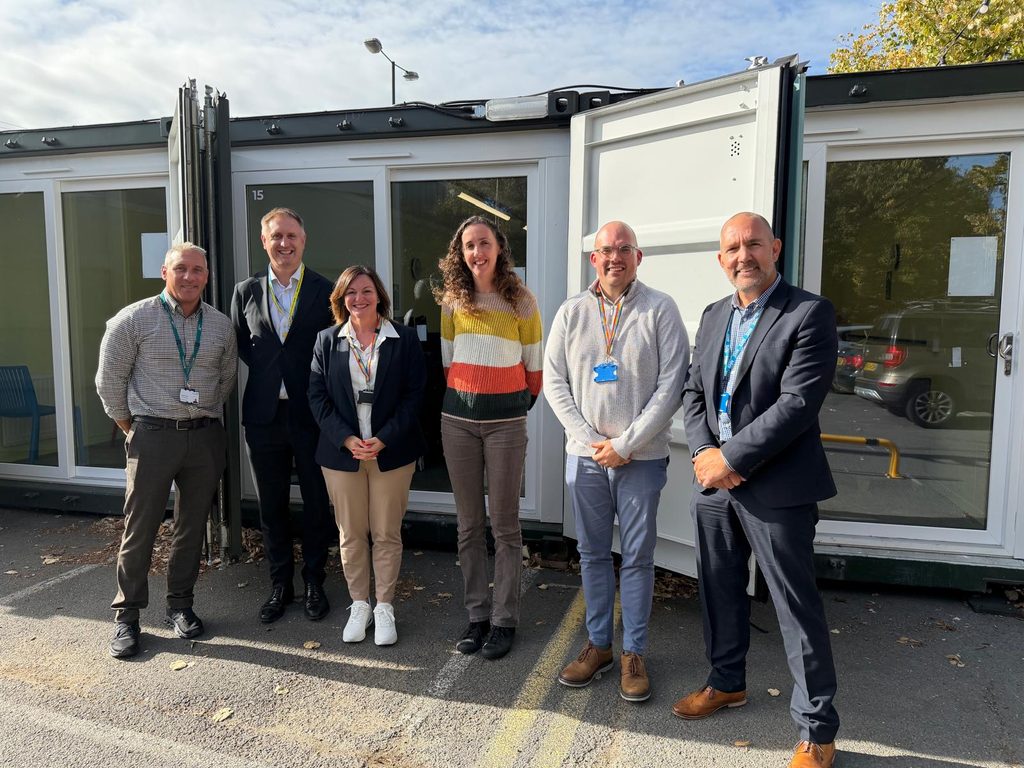
I was also pleased to visit the new neighbourhood health and wellbeing service at St Saviour’s Yard in Norwich, bringing together NHS, council and voluntary sector partners to offer more joined-up support to residents in the NR3 area. This innovative pilot is a great example of how we can bring services into the heart of communities, helping people access support earlier and closer to home.
Other improvements to estates are happening in our communities. For example, in Suffolk, a £1.2 million extension and refurbishment at Bungay Medical Practice has created four new clinical rooms, improved patient facilities and additional community space. It’s a great example of how investment in primary care can help meet growing demand and bring more services closer to home.
Making better use of digital and data
I’m always keen to see how we can use technology to make healthcare easier to access and improve people’s experiences. But digital transformation must work for everyone, not just those who are already confident using it.
That’s why I was particularly pleased to see our NHS teams working with libraries in Great Yarmouth, Gorleston-on-Sea, Lowestoft and Beccles during Get Online Week, helping residents get started with the NHS App. It’s a simple but important example of tackling digital exclusion, particularly in our rural and coastal communities, and making sure technology creates opportunities rather than barriers.
Another important development is the launch of a new NHS-funded Mental Health Crisis Text Support Service across the East of England, jointly commissioned by three ICBs, including ours. Available 24 hours a day, it gives people another way to reach qualified mental health professionals when they need support. We know that asking for help can be difficult, and sometimes sending a message feels easier than making a call. People can text SOS to 80899, use WhatsApp on 0800 884 0655, or access the online chat service.
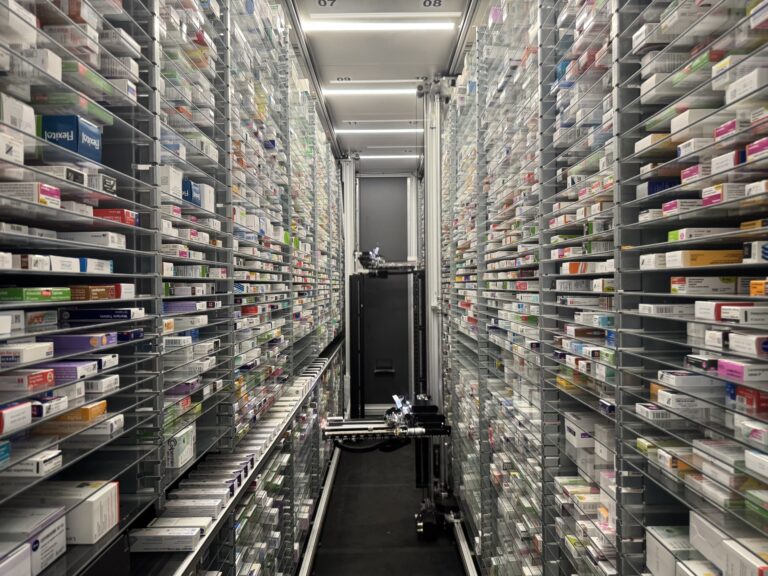
It’s also encouraging to see innovation at East Suffolk and North Essex NHS Foundation Trust (ESNEFT), where new pharmacy robots are being introduced at Ipswich and Colchester hospitals to improve efficiency and free up staff time. Meanwhile, new videos are helping patients feel better prepared for cancer treatment, offering reassurance and a clearer understanding of what to expect.
Nationally, the NHS is rolling out prescription-ready alerts through the NHS App, helping people know when their medicines are ready to collect, alongside a new early warning system to help emergency teams recognise when children are becoming seriously unwell. Both are great examples of making care safer, simpler and more responsive to people’s needs.
What connects these initiatives for me is that technology isn’t the end goal. It’s about making care more accessible, giving people greater choice and helping our teams spend more time doing what matters most – caring for patients.
Moving from sickness to prevention
As we head towards winter, helping people stay well and access the right care when they need it is more important than ever. Our Stay Well This Winter campaign, delivered in partnership with Norfolk and Suffolk councils and organisations across our health and care system, is focused on three priorities: Prepare and Protect, Stay Well and Warm, and Choose Well.
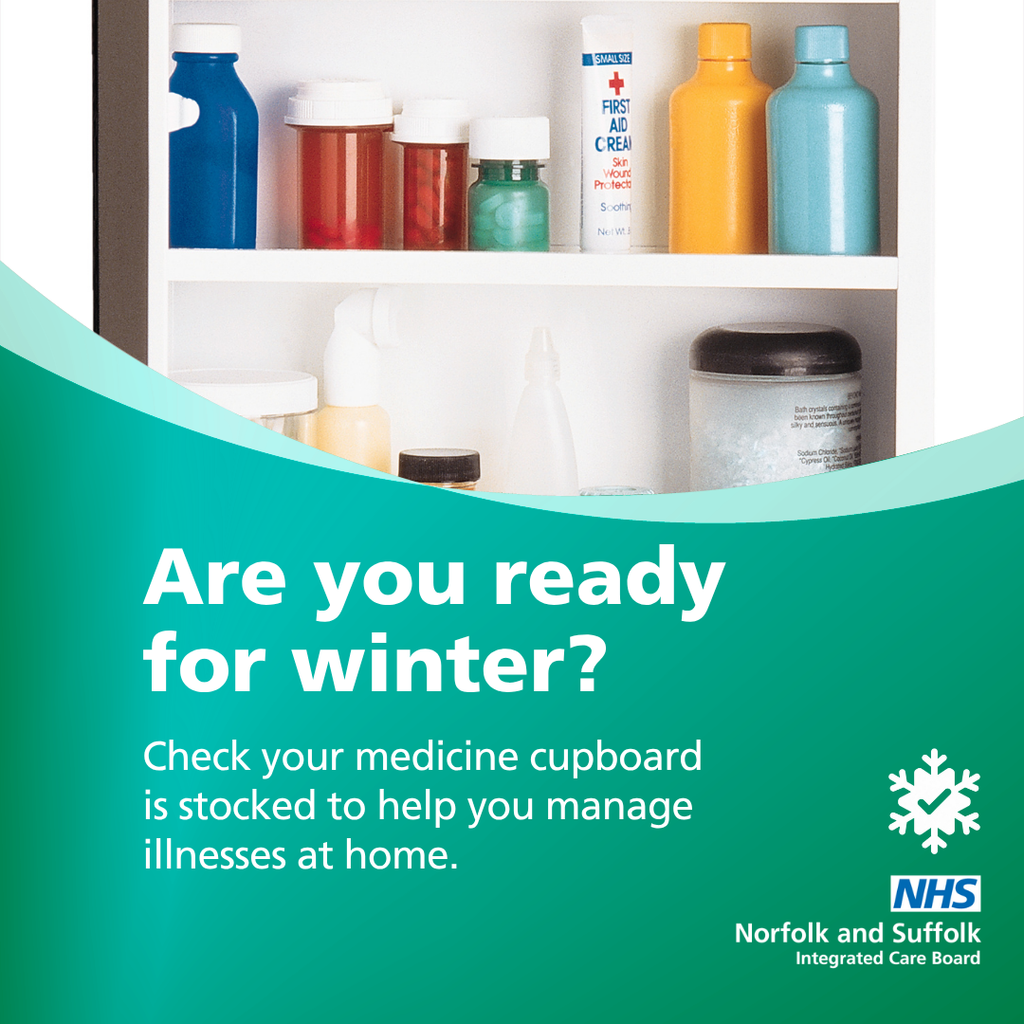
Vaccination remains one of the most effective ways to protect ourselves and others from serious illness. I’d particularly encourage everyone who is eligible for a free NHS flu vaccination to take up the offer. Flu can be much more serious than people realise, particularly for older people, pregnant women and those with certain health conditions. Getting vaccinated helps protect your health and reduces the risk of serious illness and hospitalisation. If you haven’t yet had your flu jab, please don’t put it off.
We are currently putting significant energy into vaccination to help keep our communities safe this winter, with Norfolk and Suffolk currently leading the East of England for both flu and COVID-19 uptake. As of 5 November, flu vaccination uptake stood at 50.1%, compared with 45.1% regionally and 41.7% nationally, while COVID-19 uptake reached 52.7%, ahead of regional (47.1%) and national (44.3%) averages. This is a positive reflection of the efforts of colleagues and partners across our system, and we will continue working with communities where uptake is lower to ensure as many eligible people as possible are protected this winter.
As part of our winter campaign, we’re working with partners to help people stay safe and well during colder weather, with particular attention to unpaid carers, people experiencing homelessness and communities facing greater health inequalities. This includes practical advice on staying warm, looking after your health and knowing where to turn for support.
The importance of choosing the right care is clear from the extraordinary demand on our emergency services. The East of England Ambulance Service handled almost 1.5 million 999 calls during 2025/26, its busiest year on record. More than 159,000 patients were supported through its Hear and Treat service, receiving advice and appropriate support without needing an ambulance response. It’s a powerful example of how helping people access the right care at the right time can make a real difference.
We all have a part to play this winter, whether that’s keeping vaccinations up to date, ordering repeat prescriptions in good time or making use of community pharmacies and NHS 111 when appropriate. And of course, anyone facing a life-threatening emergency should always call 999.
For me, winter is about more than managing pressures on our services. It’s about working together to prevent avoidable illness, support people earlier and help our communities stay healthier and more resilient, not just through the colder months, but throughout the year.
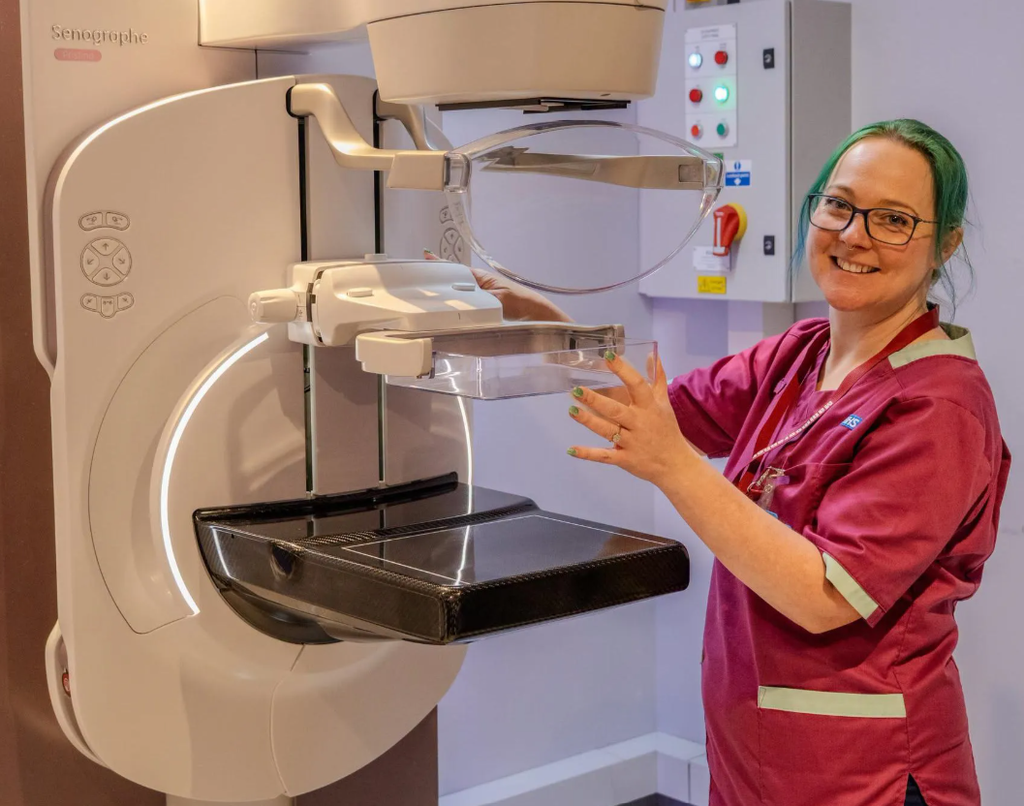
Finally, I was pleased to see West Suffolk NHS Foundation Trust mark Breast Cancer Awareness Month with a breast screening open day in Bury St Edmunds, specifically focused on tackling inequalities in access to screening. The event reached out to people who can face significant barriers to healthcare, including those experiencing homelessness or living in refuges and temporary accommodation. By creating a welcoming environment where people could ask questions, discuss concerns and access screening if eligible, the Trust demonstrated why prevention must go hand in hand with tackling health inequalities. We cannot simply make services available; we must actively work to ensure they reach the people who need them most.
Working with partners to support wider social and economic development
One of the things I’m particularly proud of is the strength of our partnerships across Norfolk and Suffolk, and the difference we can make when we look beyond traditional health services.
A great example is our selection as one of just 12 NHS organisations nationally for the Government’s Steps to Safety programme. With proposed funding of £2.8 million, subject to final confirmation, we’ll work with police and crime commissioners and specialist voluntary organisations to strengthen support for people experiencing domestic abuse and sexual violence, helping GP practices connect people with the right support earlier.
I was also delighted to see more than £289,000 awarded to 18 community projects across Norfolk and Suffolk through Ørsted’s Hornsea 3 Community Fund. This includes over £72,000 for Home-Start Norfolk and Home-Start Suffolk, helping families with young children access practical and emotional support, particularly in our rural and coastal communities.
Other projects will support mental health, tackle financial hardship and help people experiencing isolation. It’s a fantastic example of the difference our voluntary and community organisations make every day. We know that improving health is about much more than healthcare, and supporting people and families early can make an enormous difference to their wellbeing and future opportunities.
It was great to hear about a recent volunteering day involving colleagues from the ICB and Big C, one of East Anglia’s largest cancer charities, which has supported local communities for more than 45 years. Providing free emotional, practical and wellbeing support, alongside funding cancer research and specialist equipment, the charity delivered more than 24,000 support sessions in 2025 alone.
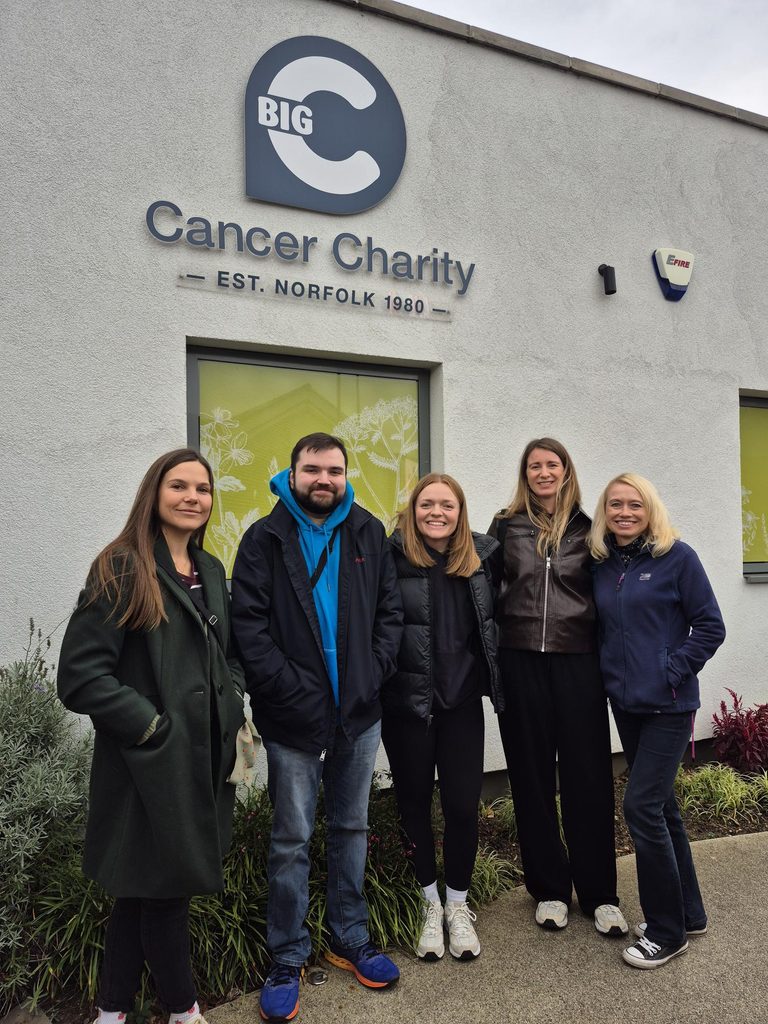
Colleagues visited Big C’s Cancer Support Centre in Norwich to learn about its services for people affected by cancer and its prevention and education work, including raising awareness of bowel cancer. They then rolled up their sleeves at the charity’s donation centre in Wymondham, helping to sort donations and organise the warehouse.
It’s a wonderful example of the difference our voluntary and community partners make to people’s lives. Big C is always looking for volunteers, and I’d encourage anyone interested to find out more here.
In Suffolk, it’s encouraging to see how feedback from nearly 2,000 people has influenced revised proposals for the Healthy Child Service, including retaining Community Staff Nurses and increasing the number of Health Visitors. The proposals remain subject to approval, but it’s a good reminder of why listening to the people who use and deliver services matters.
Meanwhile, Norfolk County Council has announced almost £4 million for 26 voluntary and community organisations supporting people experiencing financial hardship. We know that people’s health is shaped by far more than healthcare alone, and this kind of practical, community-based support has an important role in tackling inequalities.

And with Christmas approaching, I couldn’t resist highlighting Norfolk’s Giving Tree appeal, now in its 20th year. It’s a lovely initiative inviting people to buy a book for a child or young person in care. If you’re visiting Norwich before 6 December, do pop into Waterstones on Castle Street and get involved.
All of this comes against a backdrop of wider change, including the Government’s consideration of local government reorganisation across both counties. Whatever the future structures look like, what matters most to me is that we protect and build on the relationships that make this work possible. Our shared focus must remain on improving health, tackling inequalities and supporting the communities we serve.
Celebrating our people
Congratulations to the eight winners of the Norfolk Care Awards 2026, organised by Norfolk Care Association to celebrate the dedication, innovation and compassion of those working in adult social care. Held at St Andrew’s Hall in Norwich, the awards recognised achievements in leadership, quality of care, partnership working and the individuals making a real difference to people’s lives. A special mention to Jason Parker of Corton House & Brewster Court, who received the Harold Bodmer Lifetime Achievement Award in recognition of his longstanding contribution to social care in Norfolk. My congratulations to all the winners, finalists and nominees, and my thanks to everyone working across the sector to provide such vital care and support to our communities.
Congratulations also to colleagues at Norfolk and Suffolk NHS Foundation Trust (NSFT), whose Better Sleep Programme has won the award for Innovative Mental Health Intervention at the 2026 Mental Health Awards.
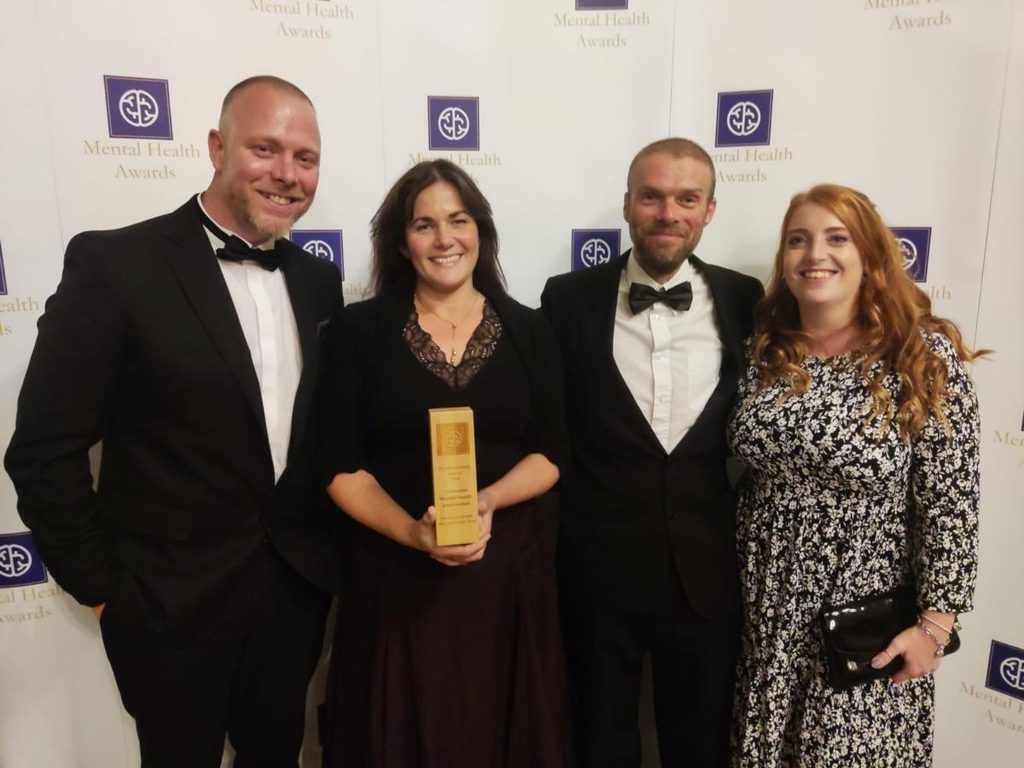
The programme has supported more than 800 children and young people with sleep difficulties, improving their mental health and wellbeing, while training over 370 practitioners across Norfolk and Waveney. My congratulations to Dr Rebecca Rollinson and everyone involved in this well-deserved national recognition.
It was also wonderful to see that the East of England Ambulance Service NHS Trust’s (EEAST) Heart initiative has now trained more than 20,000 people in lifesaving CPR and defibrillator skills. This fantastic achievement includes more than 800 people trained at Colchester Zoological Society during October’s Restart a Heart campaign, alongside events across Norfolk and Suffolk. My thanks and congratulations to all the colleagues and volunteers involved in this important work, helping to equip more people across our communities with the skills and confidence to save lives.
Finally, I wanted to share a particularly special moment from last month, when I had the pleasure of meeting Her Royal Highness The Princess of Wales during her visit to East Anglia’s Children’s Hospices (EACH) at The Treehouse in Ipswich.
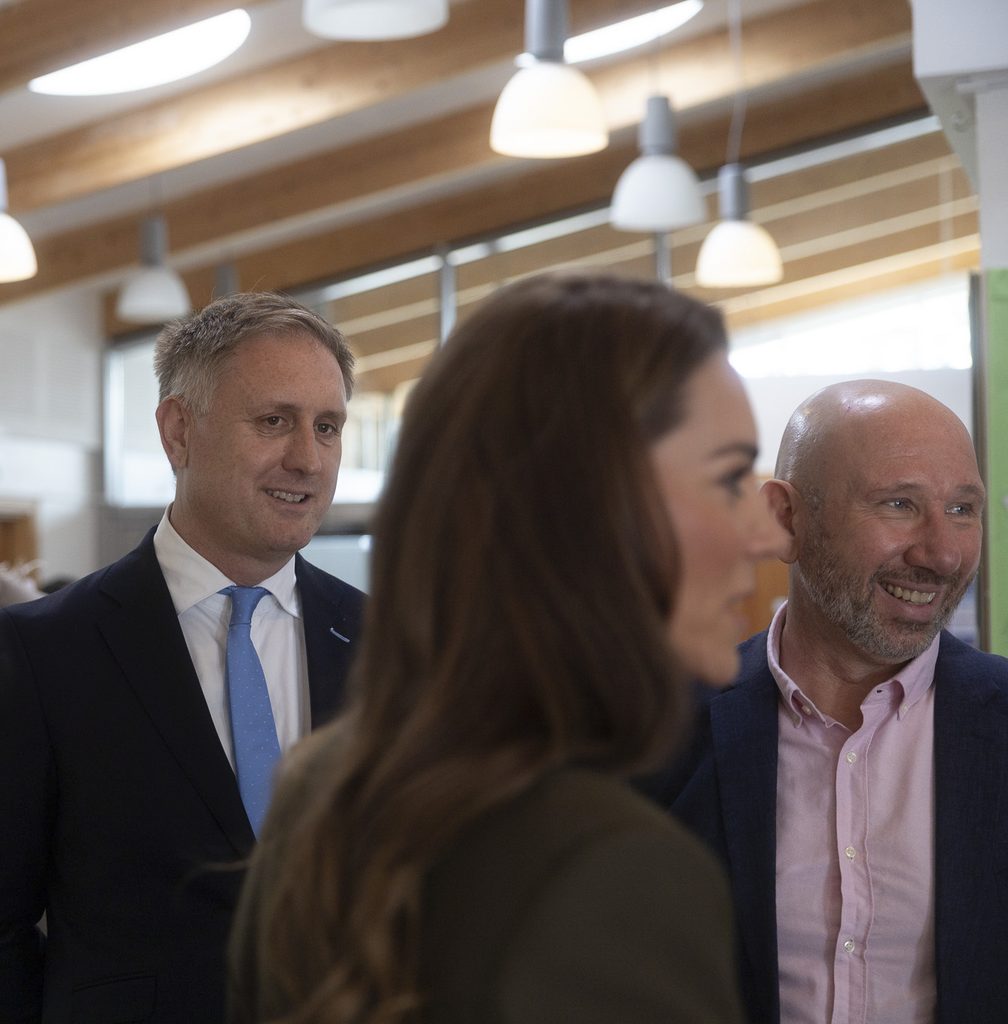
She was incredibly warm and engaging, and we had a lovely conversation about the hospice and the remarkable care and support it provides to children and families.
EACH does extraordinary work supporting children and young people with life-threatening conditions, providing everything from specialist nursing care and short breaks to emotional support, end-of-life care and bereavement services for families.
It was wonderful to see this vital work receiving such well-deserved recognition and to celebrate the dedication and compassion of the staff and volunteers who make such a difference to families across Norfolk, Suffolk and the wider region.
Looking ahead
Improving access to NHS dentistry remains a key priority for us, and there is a significant programme of work underway across Norfolk and Suffolk to increase capacity, expand urgent dental care and tackle inequalities in access. Alongside investment in additional appointments and specialist services, we are developing a longer-term oral health commissioning plan to help shape sustainable improvements for our communities.
In next month’s update, I’ll take a closer look at the progress being made and our plans to improve access to NHS dental care across Norfolk and Suffolk.
Ed Garratt OBE
Chief Executive
NHS Norfolk and Suffolk Integrated Care Board