
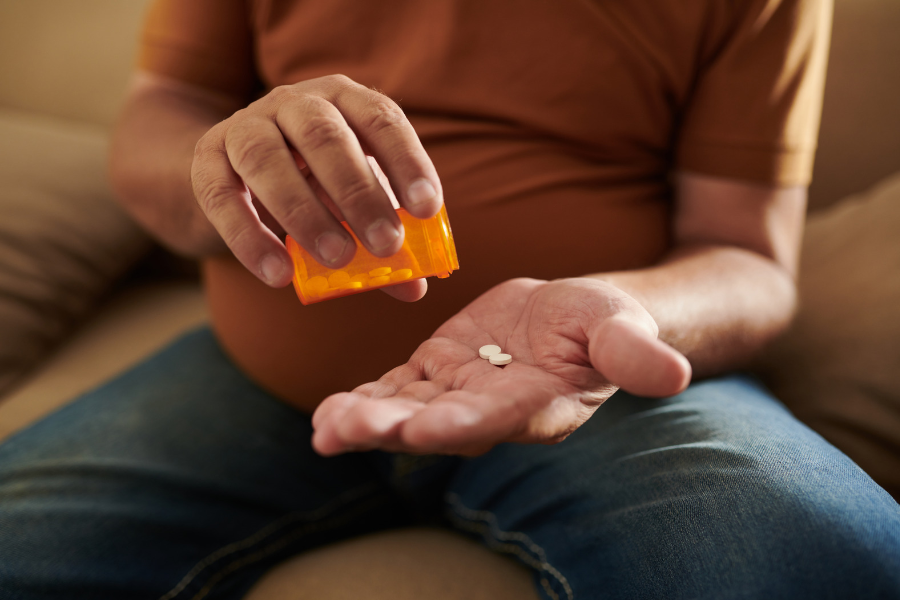
The NHS in Norfolk and Suffolk is reminding people to use antibiotics responsibly this winter, as colder weather sets in and seasonal illnesses begin to circulate.
People are reminded that antibiotics do not work against viral infections which commonly cause coughs, colds and flu.
This comes ahead of World Antimicrobial Resistance Awareness Week, from 18 to 24 November, which highlights the importance of using antibiotics and other antimicrobial medicines responsibly.
Antimicrobial resistance happens when bacteria, viruses, fungi and parasites no longer respond to the medicines designed to treat them. This can make infections increasingly difficult to treat and threaten the effectiveness of medicines that the NHS relies upon.
When antibiotics are needed, using them appropriately, including completing the prescribed course, helps protect their effectiveness for people who need them now and in the future. Patients should speak to their pharmacist or GP if they are unsure or have concerns regarding side effects.
Dr Andrew Rochford, Executive Medical Director for NHS Norfolk and Suffolk Integrated Care Board (ICB), said: “Antibiotics are incredibly important medicines, but they won’t help with viral infections such as colds and flu, and most coughs. If a healthcare professional hasn’t prescribed antibiotics, it’s because they are unlikely to help you get better.
“We all have a part to play in keeping antibiotics working. Using them responsibly means they are more likely to remain effective for you, your family and other patients when they are really needed.”
Across Norfolk and Suffolk, the ICB is working with healthcare professionals and partners to promote antimicrobial stewardship, helping to ensure antibiotics are used appropriately and patients receive the right treatment when they need it.
Antimicrobial stewardship is not simply about reducing antibiotic use. It means using antibiotics well, ensuring people who need them receive effective treatment while avoiding unnecessary or inappropriate use that can contribute to antimicrobial resistance.
Everyone can help tackle antimicrobial resistance by preventing infections and using medicines responsibly. Simple actions include:
- Washing your hands regularly and practising good hygiene
- Preparing and handling food safely
- Attending vaccinations when invited
- Only using antibiotics when they have been prescribed for you and following the advice of your healthcare professional if you have questions or concerns
- Never sharing antibiotics or saving them to use another time
- Returning unused or unwanted antibiotics to a community pharmacy for safe disposal.
For more information about antibiotic resistance, visit the NHS website. You can also visit the World Health Organization website for more information about World Antimicrobial Resistance Awareness Week. For NHS tips and information to stay well this winter, visit the ICB website.