
This summer has been exceptionally busy across our system, with significant wildfire activity throughout late July and August adding to the pressures faced by our services and communities.
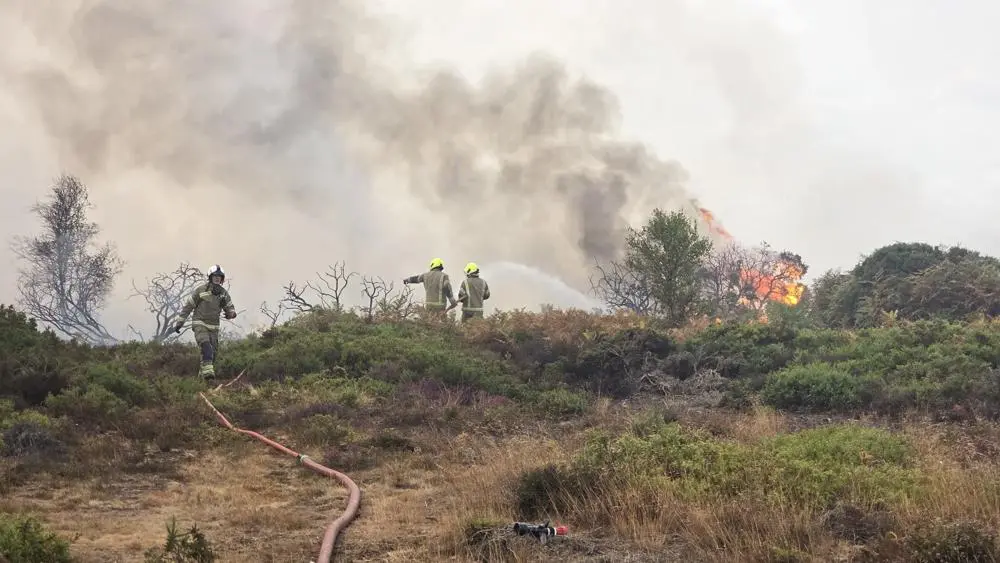
I want to begin by thanking colleagues across the NHS, local authorities, emergency services and our wider partners who worked together to respond, support affected communities and ensure people continued to receive the care they needed. That response demonstrated once again the strength of our partnerships and the commitment of people working across Norfolk and Suffolk.
This has officially been the UK’s hottest summer on record, with prolonged periods of hot and dry weather creating new challenges for our services and communities. As our climate continues to change, I expect summer resilience planning increasingly to become as routine and important as our preparations for winter.
Against that backdrop, a huge amount of positive work has continued across Norfolk and Suffolk. I wanted to share some of that progress and recognise the people and partnerships making it possible.
Delivering more care closer to home
I was delighted to see the launch of a new neighbourhood health and wellbeing service at St Saviour’s Yard in Norwich.
The pilot brings together local NHS services, Norfolk and Suffolk NHS Foundation Trust, Norfolk County Council’s adult social care team, Change Grow Live and other community partners to provide mental health assessments, alcohol support and advice on issues including housing and debt in the heart of the NR3 community.
This is exactly the type of joined-up neighbourhood working we need to develop: services coming together around the needs of local people, helping them access support earlier and addressing the wider circumstances that can affect their health and wellbeing. Partners will use learning from the pilot as they consider how this approach could be developed elsewhere.
There was also welcome national confirmation of major new investment in mental health facilities, including community mental health centres across East and West Norfolk and West Suffolk, alongside a dedicated mental health emergency department at the Norfolk and Norwich University Hospital.
The community centres will bring together mental health professionals with GPs, councils, voluntary organisations and support for areas such as housing and employment. This should make it easier for people to get the right help before their needs escalate. The mental health emergency department will offer people experiencing a crisis specialist support in a calmer and more appropriate environment than a busy general emergency department.
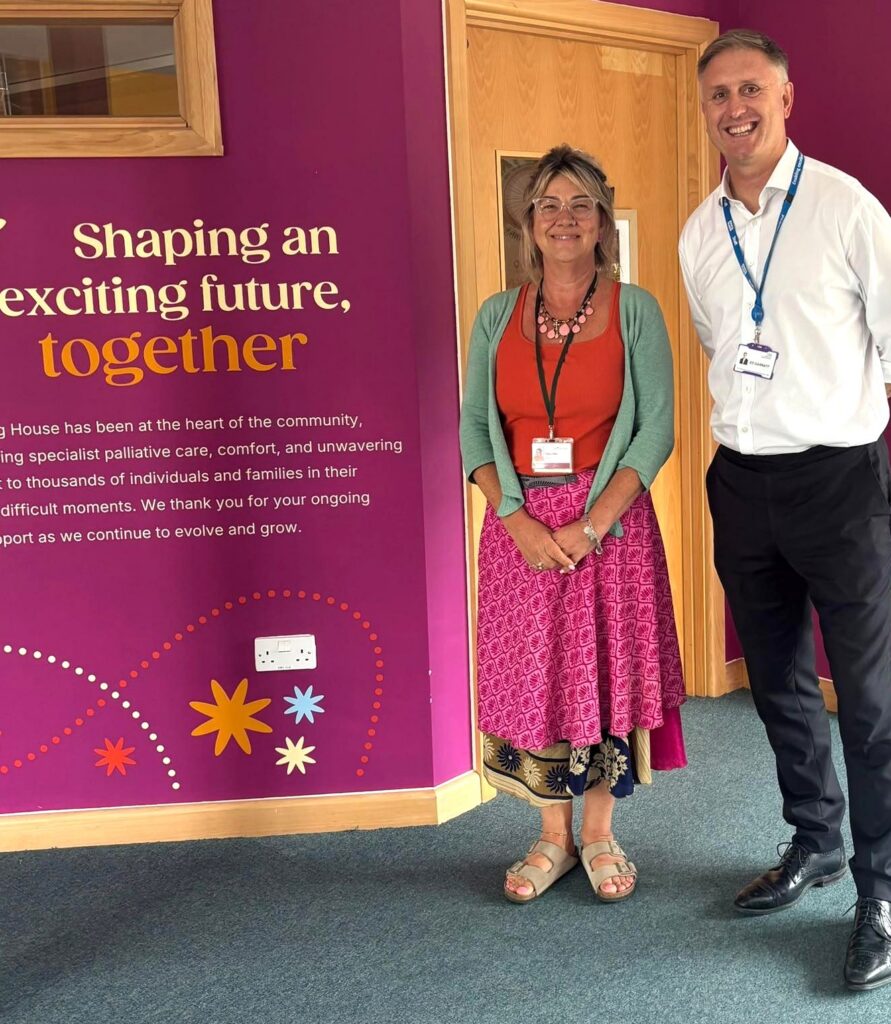
I also recently had the privilege of visiting Tapping House hospice in Hillington and meeting its Chief Executive, Niki Ellis. I was struck by the compassionate culture and the way the hospice supports people as individuals, whether through its inpatient and outpatient services or by helping them receive care in their own homes. I love their value of ‘spark’ – encouraging creativity and innovation in their staff.
For 40 years, Tapping House has provided free care and support to adults living with life-limiting illnesses across Norfolk and North Cambridgeshire, as well as supporting their families and carers. It was a powerful reminder that delivering care closer to home is not simply about the location of services. It is also about giving people genuine choice, preserving dignity and helping them live well throughout every stage of their lives.
Moving from sickness to prevention
Prevention is about helping people stay well, identifying risks earlier and tackling the inequalities that lead to poorer health.
A new £4 million research programme led by the University of East Anglia will examine how community-based support hubs could help people maintain the benefits of weight-loss surgery and obesity medications.
The six-year programme, funded by the National Institute for Health and Care Research and hosted by our ICB, will bring together patients, clinicians and commissioners to design and test a new approach to longer-term support. The proposed hubs would be led by specially trained primary care professionals, supported by specialist weight-management teams, and would offer regular reviews, nutritional monitoring and personalised self-care support.
Obesity can have a profound effect on people’s health and wellbeing, but treatment alone is not always enough. Helping people sustain improvements and reducing the risk of future complications will be vital if we are to improve outcomes and make the best use of NHS resources.
Vaccination and screening remain among our most effective forms of prevention. The autumn flu vaccination programme is now under way for children and pregnant women, while young people starting university are being encouraged to receive both doses of the meningitis B vaccine. Families are also being reminded to check that children are up to date with all their routine vaccinations.
The NHS has also begun rolling out HPV self-testing kits to some women who have not responded to previous cervical screening invitations. By offering a discreet test that can be completed at home, the programme aims to remove some of the barriers that prevent people from taking part in potentially lifesaving screening.
Prevention cannot be delivered by the NHS alone. I was pleased to see Ipswich’s Place Partnership secure £1 million from Sport England to help increase physical activity and tackle health inequalities, while East Suffolk Council has launched a new Youth Fund to support projects for children and young people. These are good examples of how investment in communities can help improve health and wellbeing long before people need clinical care.
Making better use of digital and data
Digital tools should make it easier for people to access services, give staff better information and help us plan care around the needs of our population.
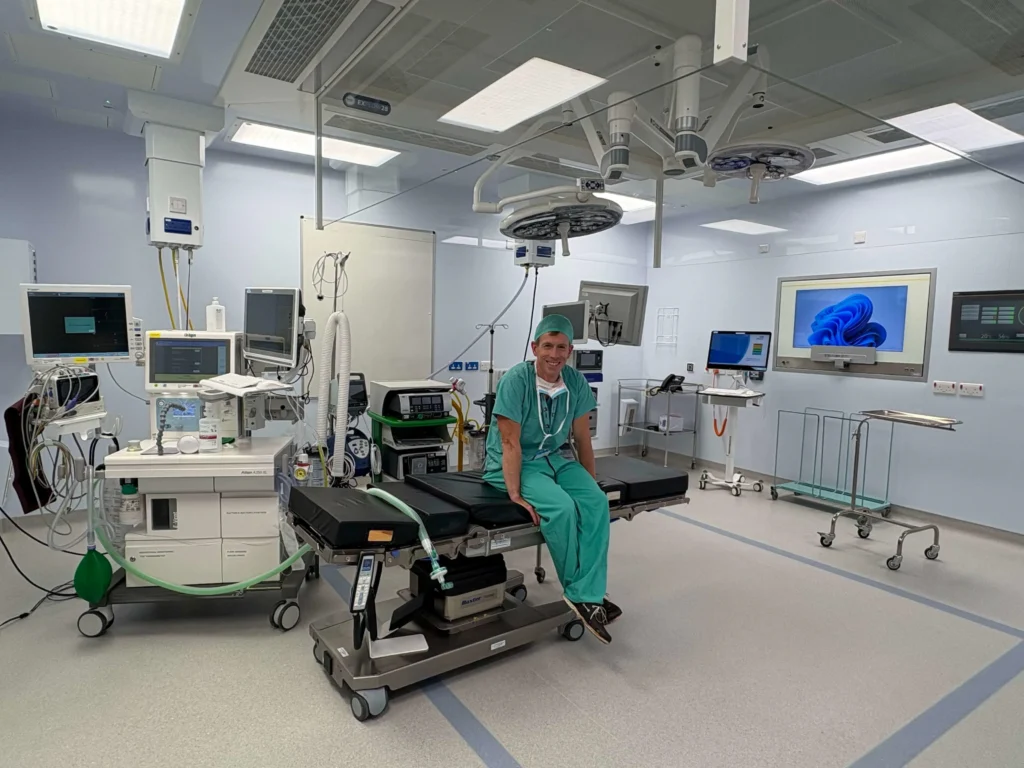
At West Suffolk Hospital, two newly refurbished operating theatres now include digital live-streaming capability. With patients’ consent, procedures can be viewed live or watched back to support the training of future surgeons. The £2.6 million investment will also increase capacity for planned orthopaedic care, with the improved theatres expected to support around 2,000 procedures each year.
Digital capability is also central to the plans for our future hospitals. West Suffolk Hospital, the Queen Elizabeth Hospital in King’s Lynn and James Paget University Hospital have now confirmed their construction partners through the national Hospital 2.0 Alliance. This is an important milestone towards creating modern, digitally enabled hospitals that will serve patients and staff for generations to come.
But using data well also means listening systematically to what people tell us. Our new Let’s Talk Health and Care platform gives residents across Norfolk and Suffolk another way to share their experiences and help shape future priorities.
We are currently inviting people with experience of cancer diagnosis and treatment to help inform a five-year roadmap for cancer services. Involving patients and carers from the outset will help us understand what is working, where experiences need to improve and what matters most to those using our services.
Working with partners to support wider social and economic development
Health is shaped by far more than healthcare, with housing, social connection, transport and employment all influencing people’s health and independence.
It was therefore encouraging to see progress on two major housing developments in Norfolk. Saltern View in South Wootton will provide 77 Extra Care homes for people aged over 55, while a £40 million development in Norwich will create 127 new social homes, including specialist and supported accommodation.
Both are good examples of partnership working to provide much-needed homes while helping people live independently and remain connected to their communities.
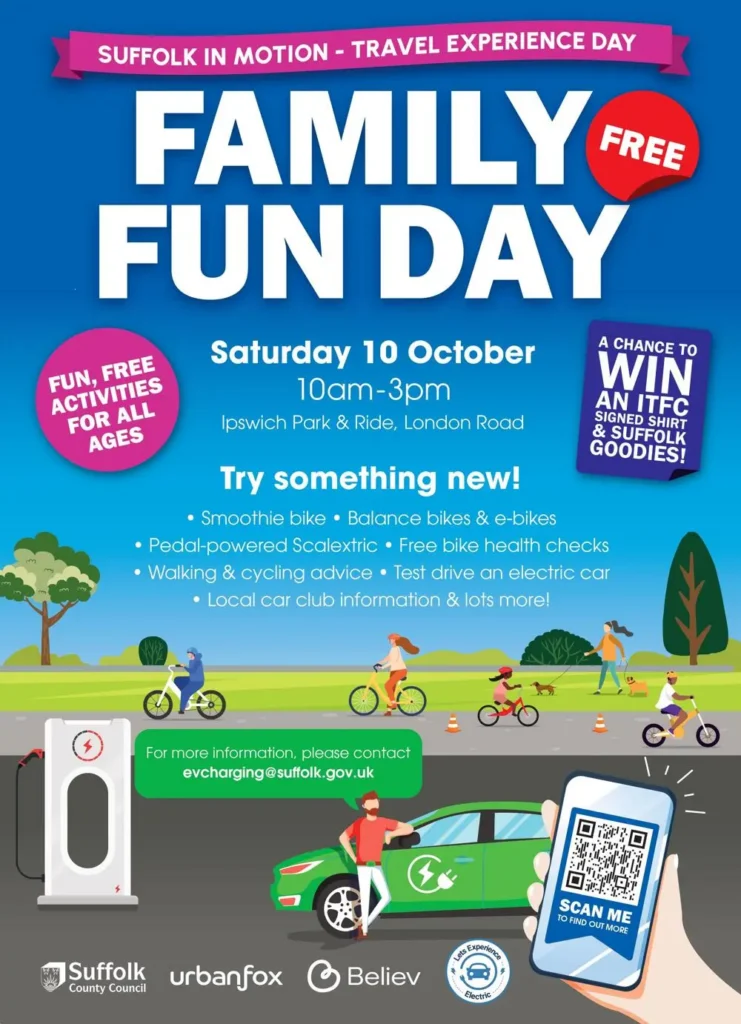
Transport is another important part of this picture, particularly across our rural communities. Suffolk County Council’s forthcoming Suffolk in Motion event will help residents explore different ways to travel, including walking, cycling, electric vehicles and community car schemes. Accessible and affordable transport can support physical activity, reduce isolation and help people reach education, employment and essential services.
I was also delighted to see St Elizabeth Hospice awarded £200,000 by the Wolfson Foundation towards the construction of its new community hospice. Our hospices and voluntary sector organisations are indispensable partners, providing expert care and support while remaining deeply rooted in the communities they serve.
Celebrating our people
None of this progress would be possible without the people who work and volunteer There has been plenty to celebrate across our health and care system over recent weeks.
The Professional Therapeutic Pathway, delivered by YMCA Norfolk and commissioned by the ICB, has become the first programme in the world to receive the Global Community Wellbeing Impact Award.
Since 2023, the pathway has supported more than 1,200 children and young people, with around 80% reporting an improvement in their wellbeing. Its flexible network of more than 60 therapists helps match young people with support suited to their individual circumstances and preferences. This international recognition is a tremendous achievement for everyone involved.
At the Norfolk and Norwich University Hospital, the Obstetrics and Gynaecology department has received national recognition for the quality of its obstetrics training and trainee experience. The award is particularly meaningful because it is based on feedback from resident doctors and reflects the work undertaken across the department to listen, learn and improve.
Congratulations also go to the Norfolk and Waveney NHS Talking Therapies service, which has achieved accreditation from the Royal College of Psychiatrists, as well as a separate sustainability accreditation. The Ipswich Older People’s Community Mental Health Team has also successfully retained its Royal College accreditation until 2029, with reviewers praising its positive culture, collaborative approach and support for staff and carers.
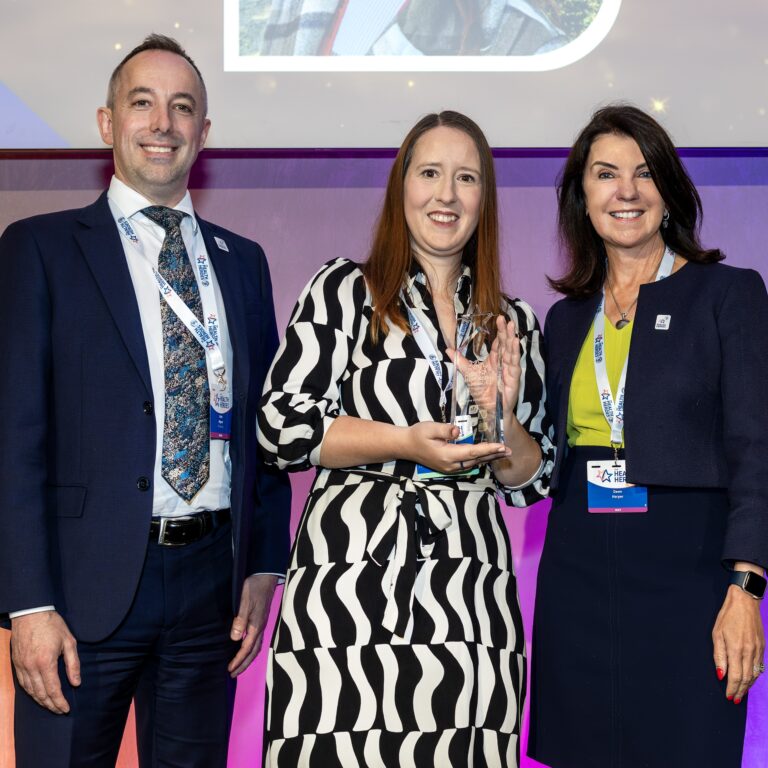
At East Suffolk and North Essex NHS Foundation Trust, Gemma Longhurst has been named Skills for Health’s Our Health Heroes Apprentice of the Year. After moving into an office-based role following her own diagnosis with Stage 4 Non-Hodgkin lymphoma, Gemma completed a business administration apprenticeship and created a new breast-screening training guide. Her work was adopted across the East of England and is now helping to inform induction materials used nationally. It is an inspiring example of resilience, initiative and the difference one person can make.
I am also very pleased that Dr Andrew Rochford will join us in October as our new Executive Medical Director. Andrew brings extensive experience of frontline care, clinical leadership, commissioning and healthcare transformation. I look forward to working with him as we continue to put clinical expertise, quality and patient safety at the heart of our decisions.
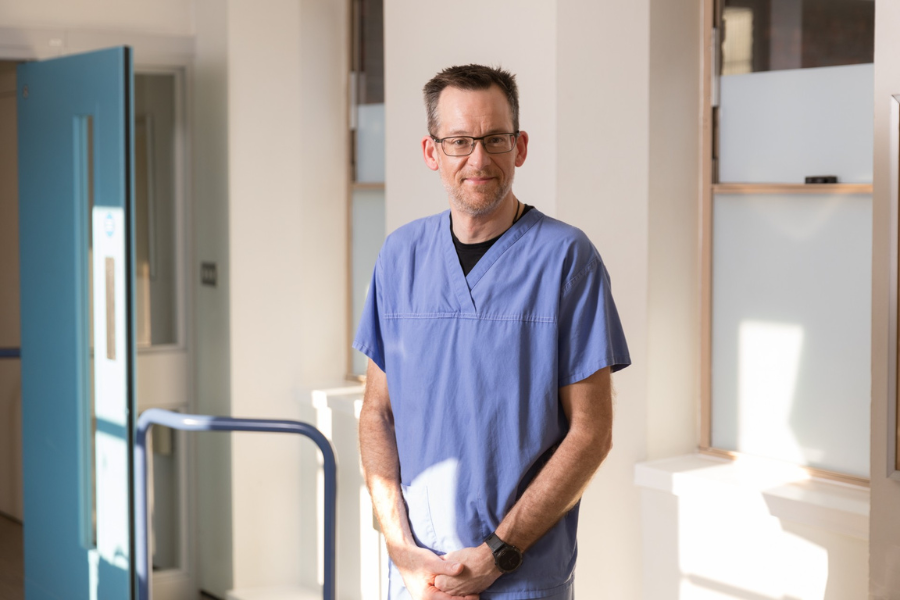
I would also like to thank Dr Mike Smith for the leadership and commitment he has shown as our Interim Executive Medical Director and wish him every success in his new Executive Medical Director role at NHS Kent and Medway ICB.
Finally, World Suicide Prevention Day took place on 10 September, followed by NHS Worker Suicide Awareness Day on 17 September, reminding us of the importance of challenging stigma and helping people feel able to seek support.
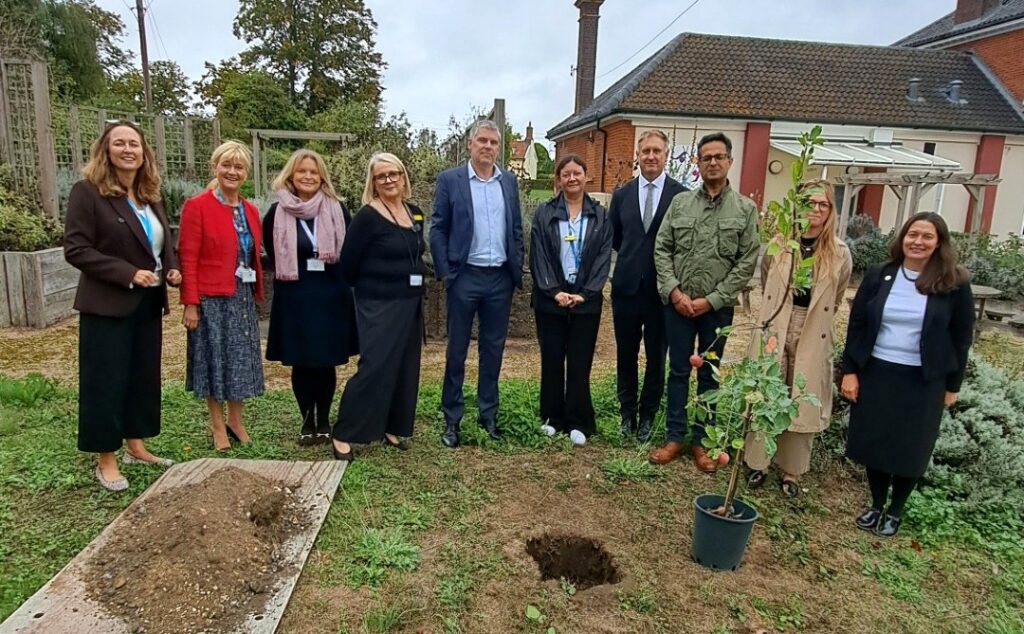
I want to recognise Dr David Cargill and colleagues in the ICB Training Hub team for their work supporting NHS workforce wellbeing. As part of this, colleagues planted a memorial tree at Hartismere Hospital on 17 September, creating a lasting place for remembrance and reflection. I also encourage people to consider the Zero Suicide Alliance’s free online awareness training.
There is much more happening across our health and care system than I can cover here, but I hope these examples give a sense of the progress being made.
Thank you to everyone – our staff, partners, patients and communities – who continues to play a part in improving health and care across Norfolk and Suffolk.
Best wishes,
Ed