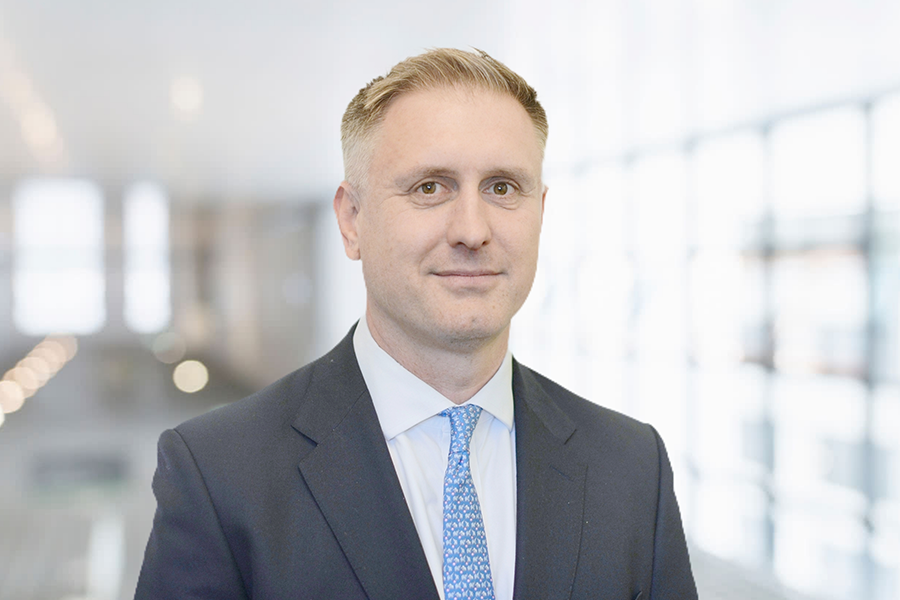
Welcome to my first blog as Chief Executive of the new NHS Norfolk and Suffolk Integrated Care Board (ICB), following our launch in April. A huge amount of work has gone into reaching this milestone, and I want to begin by thanking colleagues across the ICB for their professionalism, resilience and commitment during what has been an exceptionally demanding period. Balancing the day-to-day needs of our populations while helping to establish a new organisation is no small task, and I am incredibly grateful for everything you have done.
I am also delighted to congratulate Professor Frankie Swords on her appointment as National Medical Director for the Department of Health and Social Care and NHS England. This is a hugely significant role, and we are immensely proud to see her step into such an important national position. I am in no doubt that she will make a huge success of the role by championing a compassionate, just and positive culture.
Through this blog, I will be sharing progress against our population health commissioning strategy, alongside examples of the work already happening across Norfolk and Suffolk to bring it to life. Our direction is clear: we are shifting from sickness to prevention, delivering more care closer to home, making better use of digital and data, and working in partnership to support wider social and economic development.
Moving from sickness to prevention
Prevention sits firmly at the heart of our approach, and it is encouraging to see the breadth and pace of work already underway across our system.
One standout example is the final end-of-year results for our Digital Weight Management Programme, which have been nothing short of outstanding. The team has gone above and beyond, with Norfolk and Waveney emerging as the top referring ICB nationally – achieving 187% of our target – and leading the East of England for both practice engagement and referral quality. With over 90% of practices actively referring and a 94% accuracy rate in referrals, this reflects a strong focus on both scale and quality. Even more encouragingly, referral levels for 2025/26 have already surpassed the new, more ambitious system-wide targets for 2026/27.
This programme plays a vital role in our prevention agenda – supporting people to take action earlier, reducing the risk of long-term conditions, and helping to tackle health inequalities by improving access to evidence-based support, particularly for our Core20 populations. By reaching more people at the right time, we are improving individual outcomes while also reducing future demand on NHS services.
Alongside this, it is fantastic to see colleagues in Suffolk making significant strides over the past year, learning from the work in Norfolk. I am genuinely excited about what we can achieve together as we build on this momentum and align our efforts and learning across the wider system in 2026/27.
In other news, colleagues across our system continue to contribute to the national evidence base. For example, Dr Charlotte Granger from Norfolk and Suffolk NHS Foundation Trust (NSFT) has co-authored new resources with the University of Oxford to support parents experiencing postnatal depression – helping to improve early identification and access to treatment.
We are also seeing innovation in how we support wellbeing more broadly. The £1 million “Region of Creative Health” programme, supported by Arts Council England and led by DanceEast and the Norfolk and Suffolk Culture Board, is exploring how creativity can support both physical and mental health. Working with partners including the ICB, the programme will develop new approaches to commissioning, training and delivery over the next two years, including workforce development opportunities with the University of Suffolk. This work is helping position creativity not as an add-on, but as a core part of a preventative, person-centred approach.
Vaccination continues to be one of the most effective forms of prevention. I would strongly encourage everyone who is eligible to come forward for their spring COVID-19 vaccine before 29 June 2026. Alongside this, East Coast Community Healthcare CIC (ECCH) has once again led the way nationally, with 77% of frontline staff vaccinated against flu – protecting both colleagues and patients.
Delivering more care closer to home
We are making meaningful progress in bringing care closer to where people live, helping to improve experience while reducing pressure on hospitals.
From 1 April, East of England Community Health and Care NHS Trust has been established, bringing together services from Cambridgeshire Community Services NHS Trust and Norfolk Community Health and Care NHS Trust. This marks an important step forward in strengthening joined-up community care across the East.
At the same time, innovative pathways are supporting people to stay out of hospital wherever possible. At West Suffolk NHS Foundation Trust, heart failure patients are now receiving treatment at home through virtual wards and community nursing support – improving outcomes and patient experience.
From the very start of life, improvements are also being made. The new donor milk hub at The Queen Elizabeth Hospital King’s Lynn NHS Foundation Trust (QEHKL), working with Hearts Milk Bank, is improving access to donor breast milk for vulnerable babies. Building on existing support at Norfolk and Norwich University Hospitals NHS Foundation Trust (NNUH) and James Paget University Hospitals NHS Foundation Trust (JPUH), and supported by Norfolk Blood Bikes, this initiative is helping families access vital care closer to home.
Community-led approaches remain equally important. Initiatives like Moreton Men in Suffolk are helping to tackle loneliness and support mental wellbeing through social connection, with NSFT informally connecting people to support where clinical intervention is not needed.
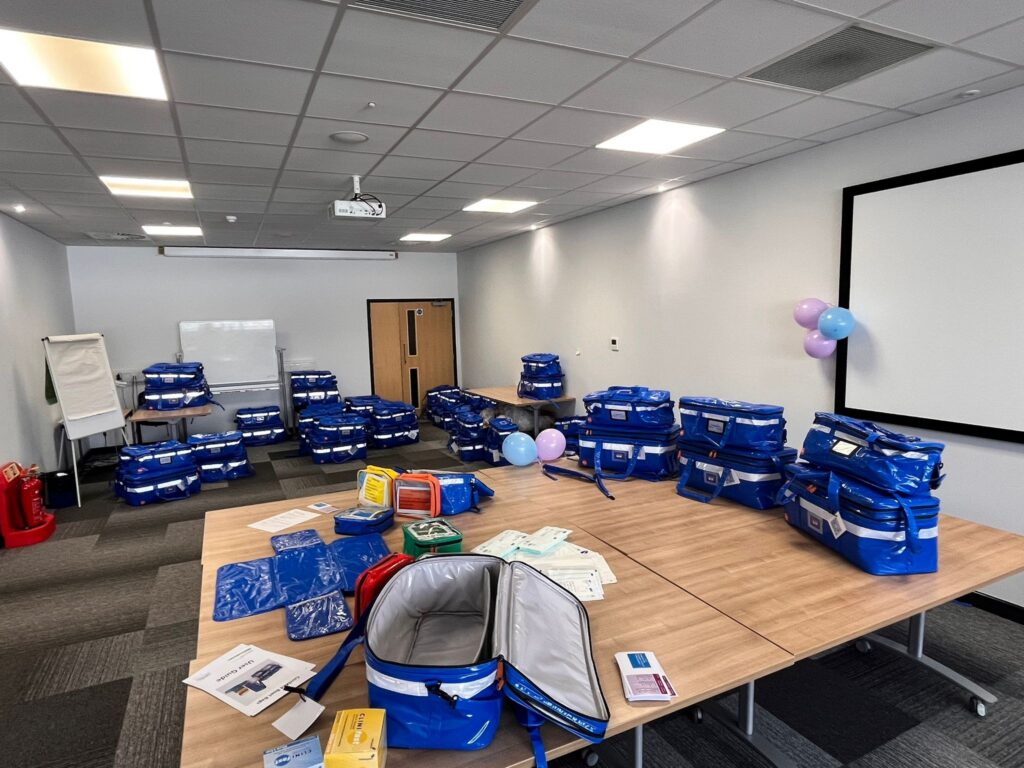
Practical changes are also making a difference. The introduction of “Boot Bags” by ECCH is helping staff deliver care safely and efficiently in people’s homes, reflecting a real understanding of frontline working environments.
Access to diagnostics is improving too. Community-based services like the Northgate Community Diagnostic Centre, run by JPUH, have been recognised nationally as an ‘impressive’ model.
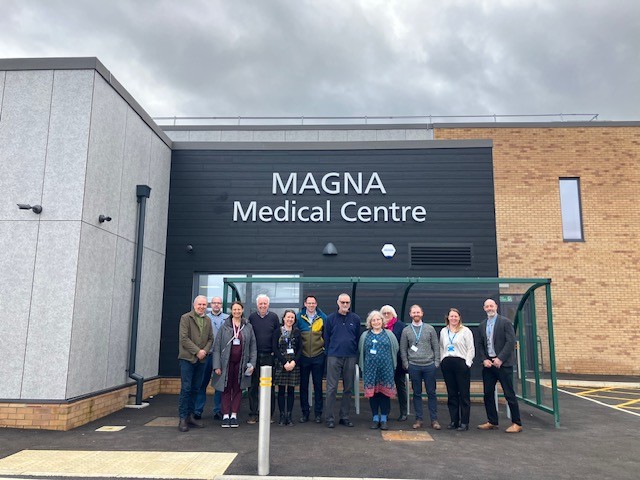
New infrastructure continues to support this shift. Developments such as Magna Medical Centre in Rackheath and expanded facilities at Theatre Royal Surgery are helping to meet growing demand while improving patient experience closer to home.
Making better use of digital and data
Digital and data are key enablers across all our ambitions – from prevention through to delivering more care in the community.
ECCH has been recognised as a regional leader in digital innovation, with tools such as online self-referral, remote monitoring and electronic prescribing improving access for patients and reducing administrative burden for staff.
Similarly, the ‘Joy’ platform is helping people across west Suffolk connect quickly to more than 150 local support services, making it easier to access help for both medical and non-medical needs.
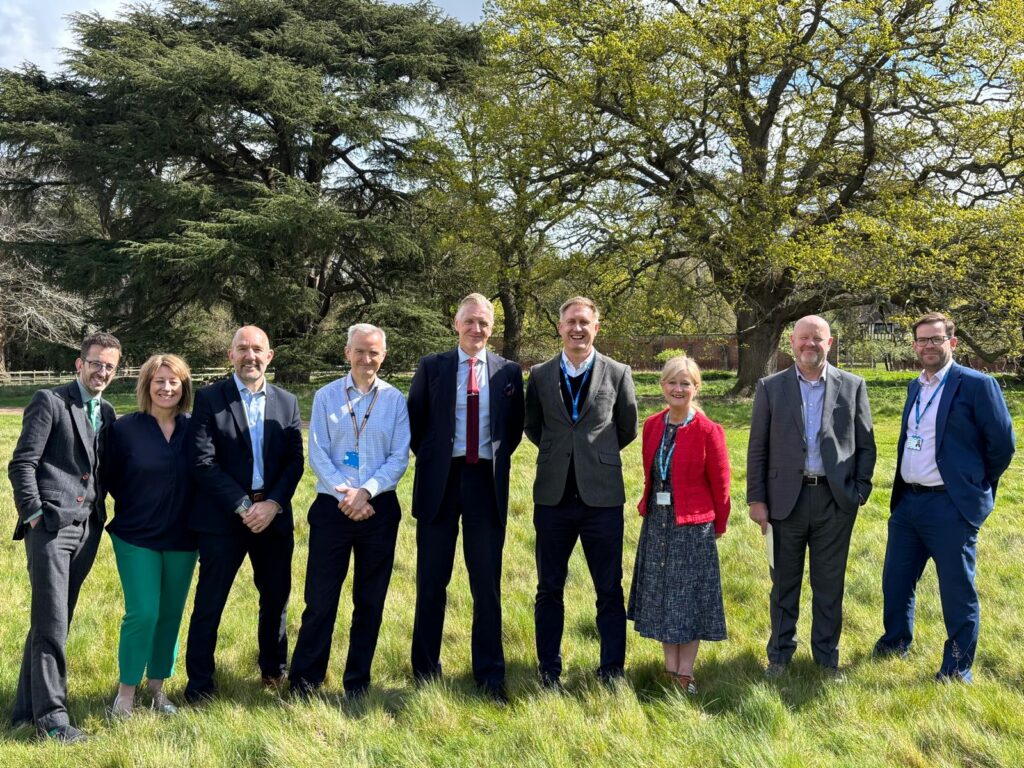
I was also pleased to visit the site of the new hospital being developed by West Suffolk NHS Foundation Trust. This is a once-in-a-generation opportunity to create a modern, future-focused facility designed around the needs of patients, staff and local communities, with planned delivery in 2032. What stood out was the strong emphasis on digital innovation – ensuring the hospital is truly “fit for the future”. From digital-first approaches to remote monitoring, virtual care and integrated systems, technology will play a central role in making care more accessible, connected and responsive.
We are also seeing digital innovation reach people in new ways. A partnership between PocDoc, the Ipswich Town Foundation and the ICB has brought mobile heart health checks into the community at Portman Road Stadium – supporting rapid testing, earlier diagnosis and better use of clinical time.
Working with partners to support wider social and economic development
Strong partnerships are essential if we are to improve health outcomes and address the wider factors that shape people’s lives.
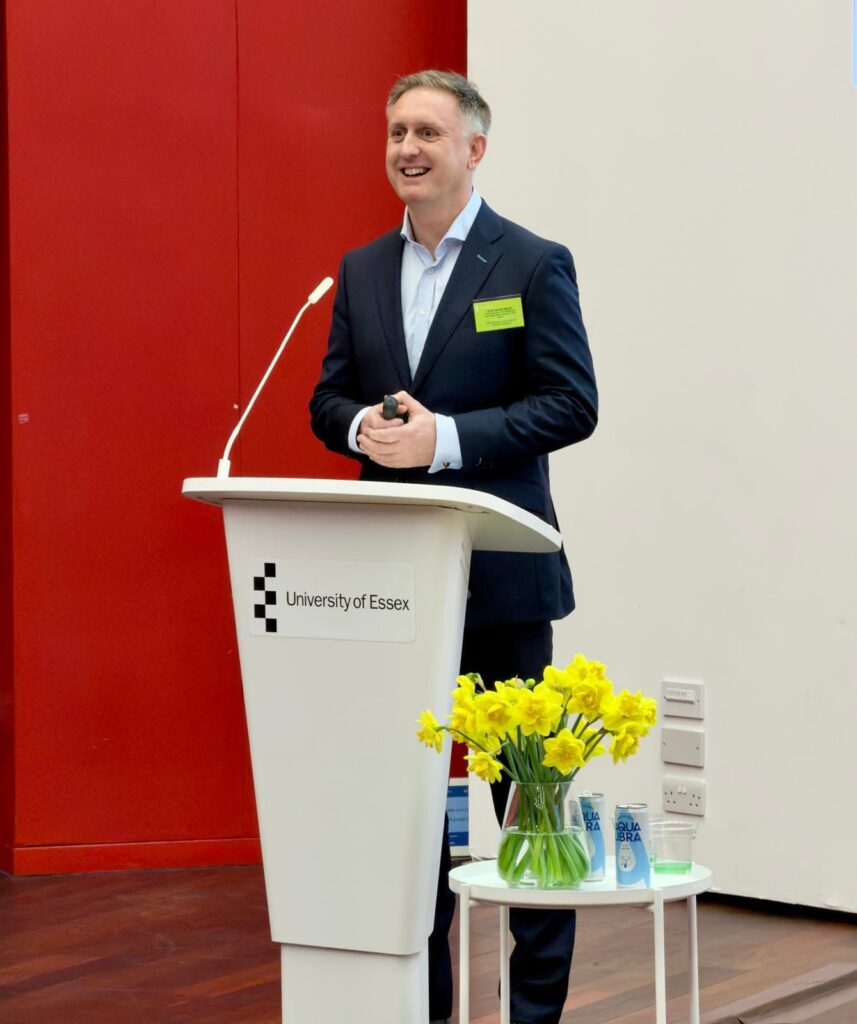
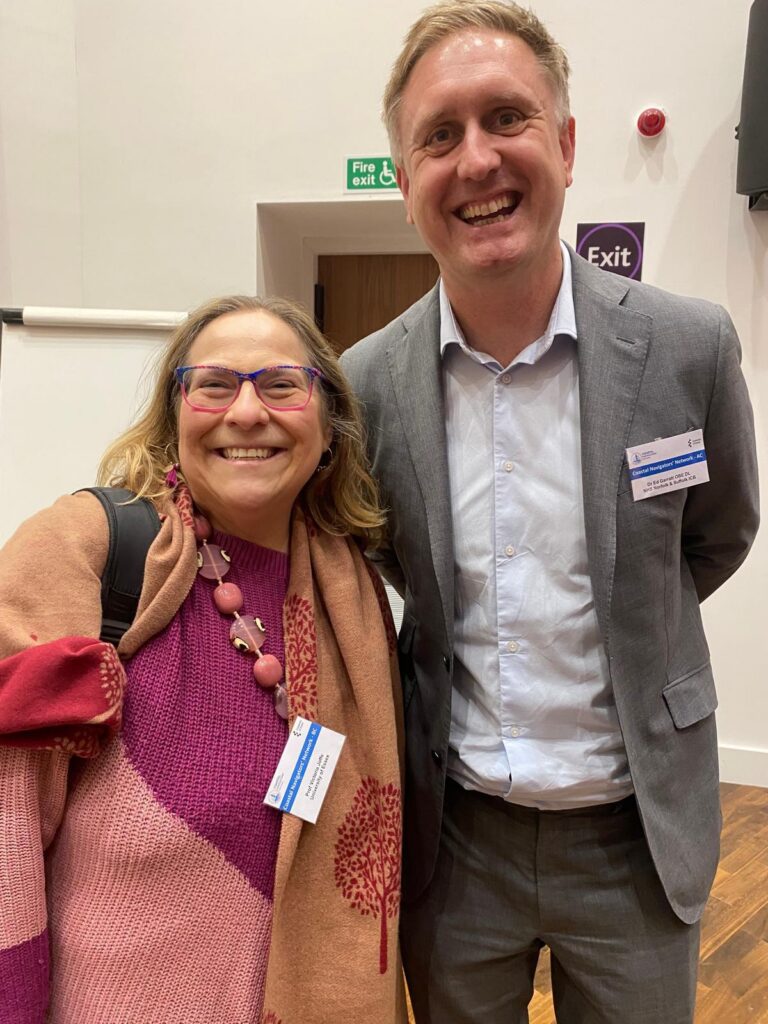
I was pleased to chair the first Coastal Navigators Network National Healthy Ageing Summit in Southend-on-Sea, bringing together colleagues and partners from across the country. The focus was on moving from analysis to action, particularly in tackling wider determinants of health such as housing, employment, infrastructure and digital access. With growing momentum across 19 coastal systems, there is a clear shared commitment to working differently and supporting people to live longer, healthier and more independent lives.
Closer to home, partnership working is already making a difference. A strong example is the £250,000 funding secured to support the wellbeing of NHS staff across Suffolk prior to the formation of our new ICB. Funded by NHS Charities Together with support from NHS England, the programme brings together primary care and mental health colleagues – including NSFT and the ICB – to deliver compassionate, accessible wellbeing and postvention support.
As a new organisation, it is important to me that colleagues across both Norfolk and Suffolk benefit equally. That is why I intend to match this funding, extending the programme to reach colleagues in Norfolk and ensuring we continue to prioritise the wellbeing of our workforce.
Co-produced with colleagues, the programme will focus on supporting those affected by traumatic incidents, while also promoting a culture where seeking help is normalised. It is a powerful example of how collaboration across organisational boundaries can strengthen support for those who care for others.
We are also seeing improvements in care quality, with NSFT’s older adult inpatient services now rated ‘good’ – a reflection of the dedication of teams across the service.
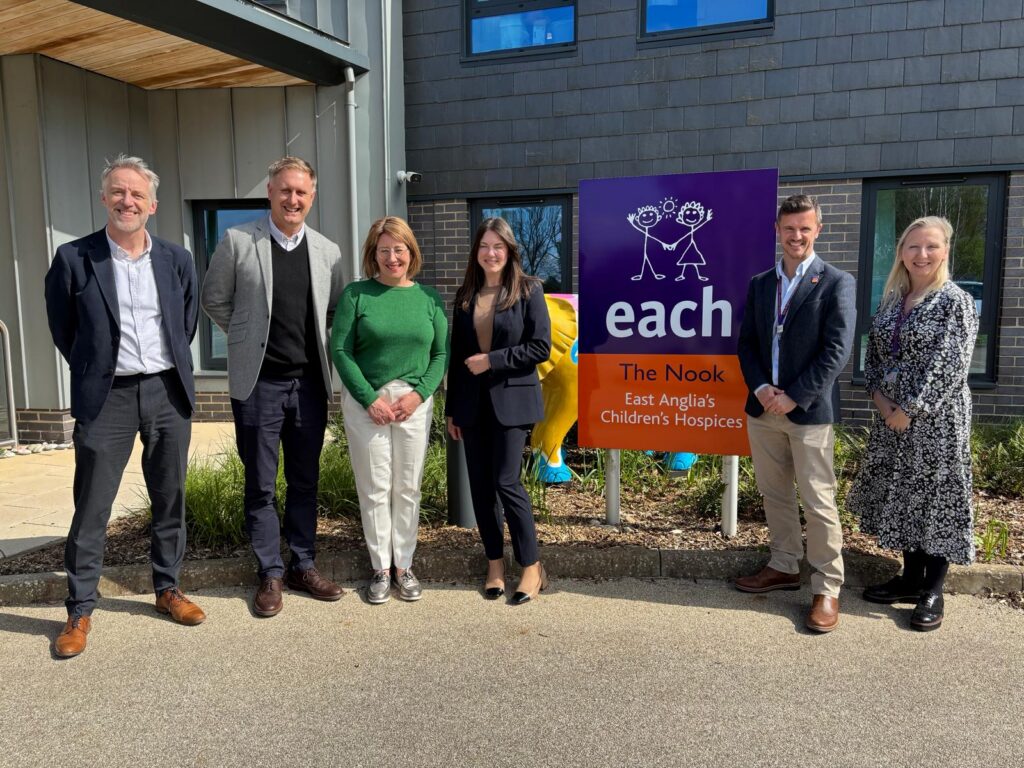
Spending time at East Anglia’s Children’s Hospices was a powerful reminder of the importance of compassionate, family-centred care. It also highlighted how, by working more closely together, we can strengthen partnerships and ensure more families can access the specialist support they need.
Partnerships with local authorities are equally vital. Suffolk County Council is supporting active travel among young people, while Norfolk County Council has introduced a £3 million Heating Oil Crisis Fund to support vulnerable households.
I would also like to recognise the work of Norfolk and Waveney Mind in providing accessible, community-based support through local pop-up sessions.
Looking ahead, working with education partners remains key to developing our future workforce. Initiatives such as the youth-led Insight Week at QEHKL are helping to inspire the next generation, while events like the EPIIC Conference at the University of Essex continue to strengthen collaboration across health, care and academia.
Alongside this, initiatives such as Schwartz Rounds are creating space for colleagues to reflect, connect and support one another – helping to build a compassionate and inclusive culture across our system.
Celebrating our people
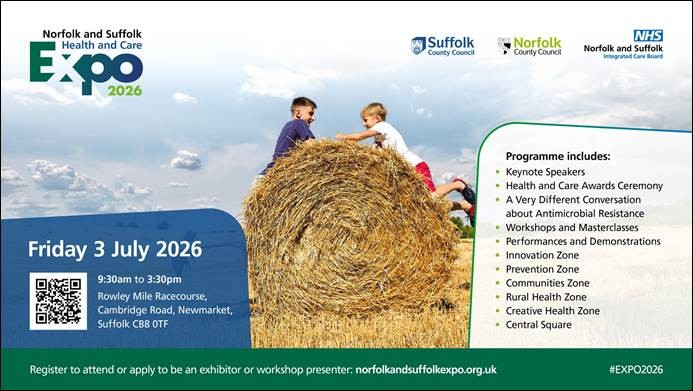
An exciting opportunity to celebrate the incredible people working across health and care in Norfolk and Suffolk is coming up, as nominations open for the first Norfolk and Suffolk Health and Care Awards 2026. The awards recognise the dedication, compassion and achievements of colleagues across all sectors, with eight categories available this year. Winners and runners-up will be presented with trophies and certificates by TV presenter and wildlife expert Michaela Strachan at a special ceremony during Expo2026 in Newmarket on Friday 3 July 2026. Find out more, including how to nominate, on the Norfolk and Suffolk Health and Care Awards 2026 website. Nominations close on Friday 22 May 2026.
Recognising and celebrating the people behind our services is so important, and I also want to take this opportunity to highlight the fantastic work happening across our area.
At NNUH, the “Hear My Voice” campaign is empowering young people to play a more active role in their care.
It is also inspiring to see individuals recognised nationally, including Kevin Russell from Essex Partnership University NHS Foundation Trust for raising awareness of PTSD, and Sam Nelson from JPUH, who has been shortlisted for a Macmillan award for his work supporting cancer patients.
I was particularly moved by the appointment of Alex Watson as the first dedicated Memory Maker at NNUH, supporting families to create meaningful memories at the end of life. It is a powerful reminder that alongside service transformation, it is the kindness, compassion and humanity of our people that truly define the care we provide.
Before closing, I want to acknowledge the impact of the significant changes we have been asked to make across the ICB. Bringing together Norfolk and Waveney with Suffolk and North East Essex, alongside difficult reductions, has not been easy.
We are still moving through this period of change, and I want to sincerely thank those colleagues who have left, or are preparing to leave, through voluntary redundancy, as well as those who continue through the restructure process.
I am deeply grateful for the contribution every single person has made. In particular, I want to recognise the care, professionalism and kindness colleagues have shown one another throughout what has been a challenging time. To those who are leaving, I wish you all the very best for the future.
Best wishes,
Ed