Check vaccinations and routine screenings are up to date
As we age, it’s more difficult for us to fight off viruses and bacteria as our bodies are less able to protect us. A number of different vaccinations are available to older people free on the NHS. You can check that your vaccinations, routine screenings and health checks are all up to date on the NHS App or by contacting your GP surgery.
Look after your teeth
Brush your teeth twice a day and floss daily. Flossing helps to prevent gum disease by removing pieces of food and bacteria from between the teeth. If they are left to build up you might develop sore or bleeding gums. Gum disease can also be linked to diabetes, strokes, heart disease and rheumatoid arthritis. Have regular dental check-ups and, if you wear dentures or have a bridge, ask your dentist to check that they fit properly. Urgent dental care is available by contacting NHS 111.
Looking after your teethKeep your bones strong
Aim for two to three servings of foods high in calcium every day.
Ask your pharmacist about vitamin D supplements as it’s hard to get all the vitamin D you need from your food.
Take care of your eyes and ears
Have your sight and hearing tested regularly or if you notice they have changed. Eye tests are free if you’re over 60. You can help keep your eyes healthy by not smoking. Smokers are more likely to develop eye-related conditions such as cataracts. Protect your eyes from the sun by wearing sunglasses.
Look after your feet
Washing your feet often and drying them well will help prevent infections. When cutting your nails, trim them straight across, never at an angle or down the edge as this may cause ingrown toe nails. Keep your feet warm but avoid anything too tight. If your shoes fit well, they will protect and support your feet and may improve your balance.
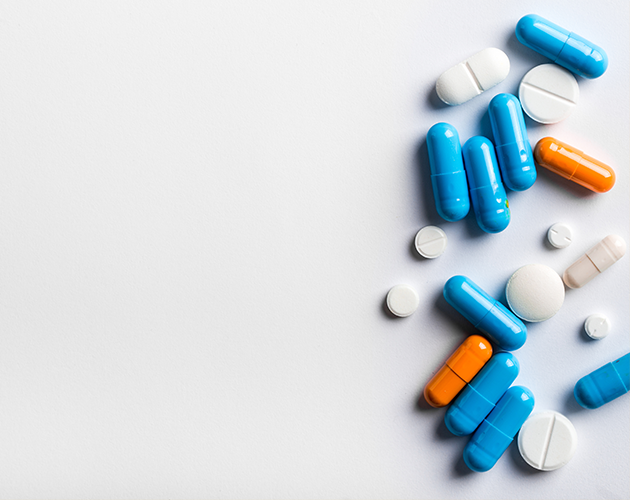
Understand your medicines
You may be taking several different medicines, especially if you have a condition such as diabetes or asthma. It’s important that your medicines and the doses are reviewed at least once every year. Your GP surgery or pharmacist will do this for you, but you may have to ask. They may recommend alternative medicines or change some of the doses.
Here are some top tips to help you manage medicines you need to take regularly:
- Only order the medication you need – repeat items remain on your prescription even if you don’t order them every month.
- Try keeping all your medication in one safe place at home so you can see what you have left and what you need to reorder.
- For each prescription, take medication from one pill packet at a time so that you can keep a track of what you’ve taken and what you have left.
- Make a note on your calendar 7 to 10 days before your prescription due date and go through your medication to see what is left. Being organised in this way means that if bank holidays or weekends are coming up, you will have planned enough for these dates too.
How to reduce your risk of falls and stay safe at home
Around one in three adults over 65 who live at home will have at least one fall a year, but many of these accidents are preventable. You can make your home safer by spotting small risks that can be easily and quickly sorted out.
Do
- Remove or tape down frayed carpet
- Replace worn-out or loose slippers or shoes with ones that fit well
- Clear clutter, especially in passageways, bedrooms and around doorways
- Consider adding handrails around the house, including the stairs, shower and bath
- Ensure the hallway and stairs are well lit
- Put a torch by the bed and keep landing/hall lights on at night using energy-saving light bulbs
- Keep your phone charged, switched on and with you
- Buy pets bright collars and a bell so you can see and hear them more easily – a surprising number of people trip over their pets
Liquids and alcohol
Contact your GP surgery about bladder or incontinence problems which mean you need the toilet during the night.
You may not be able to drink as much alcohol as you used to. Try replacing some drinks with alcohol-free alternatives.
Equipment that could help keep your home safe
Ask Age UK or Citizens Advice about walking aids and other helpful equipment. They can also offer financial help.
There are a range of care technology products that support people to live independently at home. They can also give carers peace of mind and real-time information. To find out more, please contact your county council.
Your local Fire and Rescue service offers fire safety and security advice, and advice on how to reduce the risk of falls. For a free home visit, including fitting fire alarms, contact your local Fire and Rescue Service.
Learn more about falls
Visit the NHS website for more tips on how to keep yourself on your feet and learn what you should do if you, or someone you care for, has a fall.
How to get urgent or emergency medical care
If you think you have a life-threatening medical emergency, please dial 999 immediately.
NHS 111 can help if you think you need urgent medical care or if you are unsure what to do.
You can get help from NHS 111:
- by using 111 online
- in the NHS App
- by calling 111
Learn more about local services, including how choosing the most appropriate service can get you the help you need, faster.
Which service do I need?