
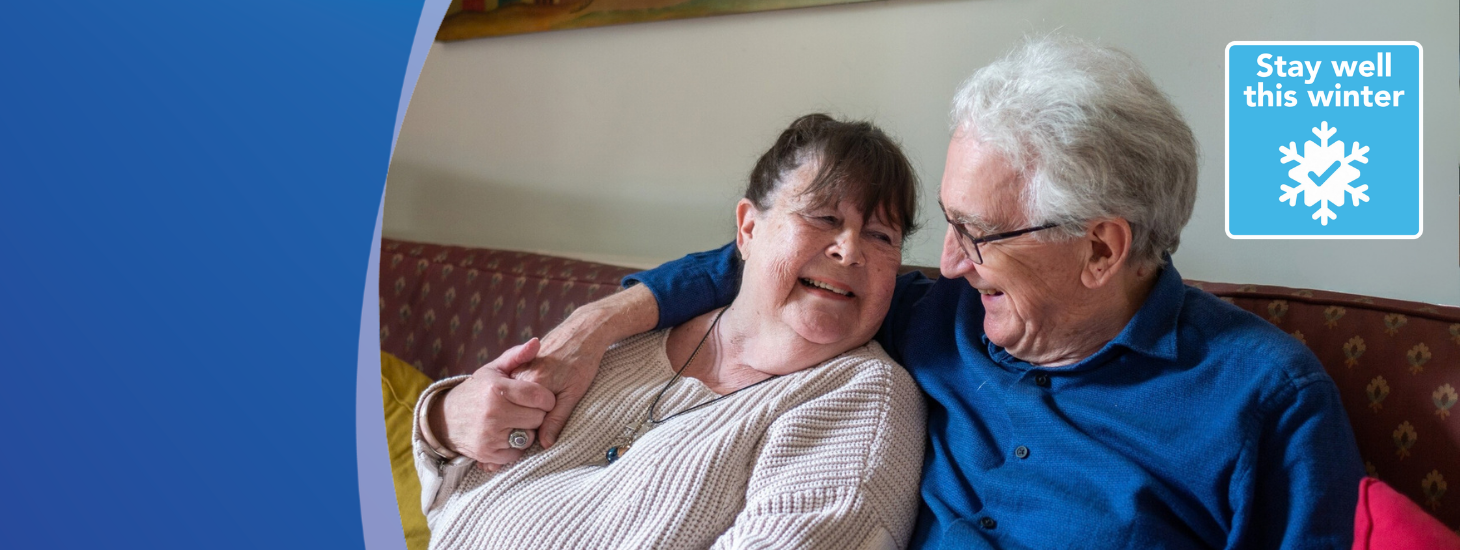
Winter can be challenging for our health and wellbeing. Colder weather, seasonal illnesses and higher heating costs can all take their toll. Looking after yourself during the winter months means keeping warm, eating well and knowing where to find support if you need it.
Small steps can make a big difference. Eating regular, nourishing meals and keeping your home warm can help reduce your risk of illness and support your physical and mental wellbeing throughout the winter.
Eat well to stay well
Good nutrition helps your body fight infection, maintain energy levels and keep warm during colder weather.
Try to eat regular meals throughout the day and include a variety of foods from the main food groups. Even if you do not feel very hungry, your body still needs fuel to stay healthy and maintain its temperature.
Browse the NHS Eat Well guidanceWarming meals for winter
Simple, affordable meals can help keep you warm and well during winter. Homemade soups with vegetables, beans or lentils are a healthy and filling option. Stews, casseroles and other one-pot meals are also good choices because they are warming and easy to prepare.
Jacket potatoes topped with beans, tuna or cheese can provide a nutritious meal at a low cost. Starting the day with porridge or another warm cereal can help you feel full and keep you warm. Wholegrain toast with eggs, beans or peanut butter is another simple and nourishing option.
Warm drinks such as tea, coffee or hot chocolate can also help you feel more comfortable, especially on colder days.
Top tips for winter nutrition
Do
- Eat at least one hot meal each day if possible.
- Keep a supply of long-lasting cupboard essentials such as tinned vegetables, beans, pulses, soup and pasta.
- Include plenty of fruit and vegetables, whether fresh, frozen, tinned or dried.
- Drink enough fluids throughout the day, even when it is cold. At least 1600ml (2.8 pints) per day for women, 2000ml (3.5 pints) per day for men (unless advised otherwise). All non-alcoholic drinks can contribute to fluid requirements and warm milky drinks offer extra nourishment as well as being comforting.
- Follow advice from your healthcare professional if you have a medical condition or special dietary requirements.
If cooking feels difficult, consider preparing larger meals and freezing portions for later, or ask family, friends or local support organisations for help. Ready-meals from a store or meal delivery service can be helpful on days where you might feel tired – see our leaflet Community Meals Services on our Diet and Nutrition page.
Our Eating Well page also has information on:
- Budget-friendly recipes and tips
- Financial support, food banks and food hubs
- Shopping smart to save money and reduce waste
- Eating Well to gain or maintain weight (standard and plant-based options)
- Easy homemade nourishing drinks
If you’re worried about affording food or other essentials this winter, help may be available through local support services.
Keep warm at home
Cold homes can increase the risk of serious health problems, particularly for older people, young children, pregnant women and people living with long-term conditions.
Health advice recommends keeping your home heated to at least 18°C during winter, especially if you are aged 65 or over or have a health condition.
Do
- Heat the rooms you use most often.
- Layer your clothing rather than relying on a single thick layer.
- Wear warm socks and slippers indoors.
- Use blankets when sitting for long periods.
- Close curtains at dusk to help keep heat in.
- Keep doors closed between rooms where possible.
- Stay active and move around regularly if you are able to.
Visit the Met Office website for more information on keeping your home warm during winter, including recommended room temperatures, ways to improve insulation, and practical energy-saving tips. Plus, tips on accessing financial support and staying safe when using heaters, fires and electric blankets.
Get advice from the Met Office on keeping warmHeat your home safely
Electric blankets and portable heaters can be a great way to stay warm, but it is important that they are used safely.
Do
- Fit an audible carbon monoxide alarm and smoke alarms
- Check electric blanket advice at Electrical Safety First
- Follow these safety guidelines if using a portable heater
Norfolk and Suffolk Fire and Rescue Services offer free home fire safety visits for eligible residents who have a heightened fire risk.
Learn more:
Help with heating and living costs
If you are concerned about the cost of heating your home, support may be available.
Warm hubs and warm welcome spaces
Across Norfolk and Suffolk, community centres, libraries, churches, village halls and voluntary organisations may operate as warm hubs or warm welcome spaces during periods of cold weather. These venues provide a safe, heated place to spend time, meet others and access local support.
Find a warm space near you:
Looking out for others
Winter can be especially difficult for people who live alone, are older, have long-term health conditions or are struggling financially.
A simple phone call, visit or offer to pick up shopping can make a real difference.
If you know someone who may be struggling, check they have enough food, medicines and heating to stay safe and well during colder weather.
Find further local information and support and ways to stay connected to your community: