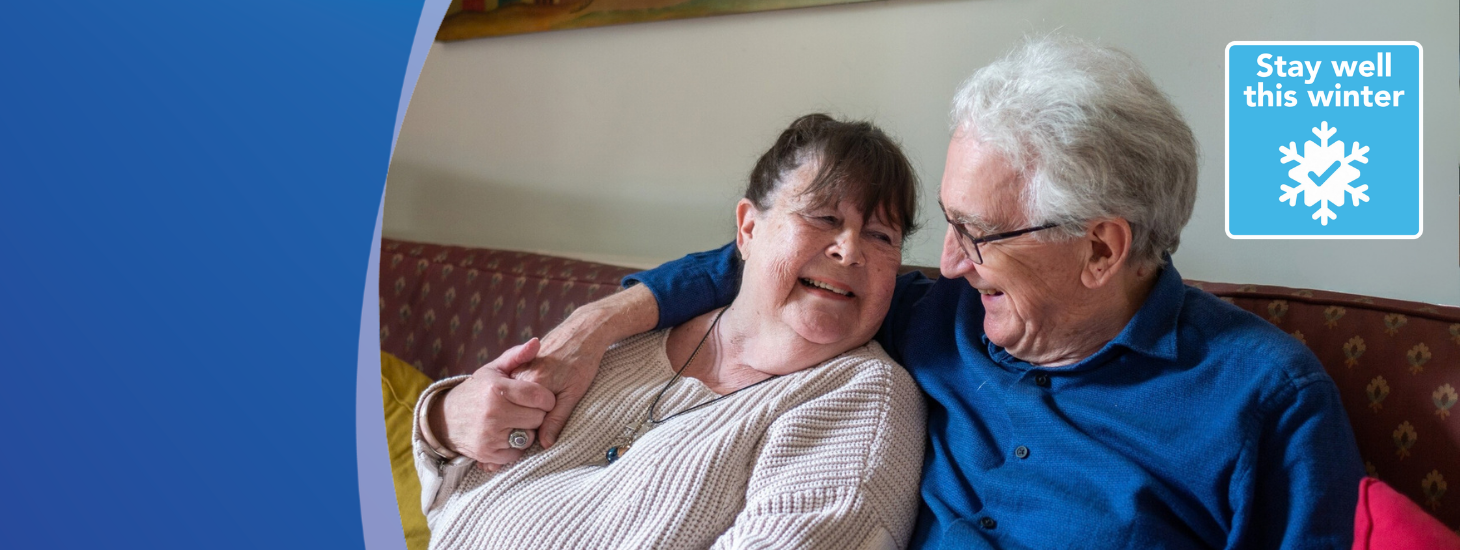
Winter can bring cold weather, seasonal illnesses, flooding, power cuts and travel disruption. Taking a few simple steps now can help you and your family stay safe and well if unexpected problems arise.
Whether it’s making sure you have the medicines you need, planning for severe weather or preparing for an emergency hospital admission, a little forward thinking can make a big difference.
Keep a well-stocked medicine cabinet
One of the simplest ways to prepare for winter is to make sure you have some basic healthcare essentials at home. Many common winter illnesses can be safely managed with self-care or help from a pharmacist.
A well-stocked medicine cabinet may include pain relief medicines, cold and flu remedies, antihistamines, treatments for diarrhoea and indigestion, oral rehydration sachets, a thermometer and basic first aid supplies.
It’s also worth checking expiry dates regularly and replacing items when needed. If you take regular prescription medicines, make sure you order repeat prescriptions in good time, particularly before bank holidays or periods of severe weather.
Please remember that community pharmacists are highly trained healthcare professionals and can provide advice and treatment for many minor illnesses without the need for a GP appointment.
Use antibiotics responsibly
Many winter illnesses, including coughs, colds and flu, are caused by viruses. Antibiotics do not work against viruses and will not help these illnesses get better.
To help protect antibiotics so they continue to work when they are genuinely needed:
Do
- Only take antibiotics prescribed for you by a healthcare professional.
- Never share prescription medicines with family or friends.
- Always take antibiotics exactly as directed.
- Never keep leftover antibiotics for future illnesses.
- Return unused antibiotics to a pharmacy for safe disposal.
Be ready if you need to go to hospital
Most people won’t need an emergency hospital admission, but it can be reassuring to be prepared just in case.
Consider keeping a small bag ready with essentials such as nightwear, toiletries, comfortable clothing, a phone charger, glasses, hearing aids and emergency contact details. If you have caring responsibilities, include information about who should be contacted if you are unable to provide care.
It’s also important to take your medicines with you if you are admitted to hospital unexpectedly. Bringing medicines in their original packaging helps hospital teams understand what you are taking and can reduce delays in treatment.
Remember to include all medicines, not just tablets. This includes inhalers, insulin, eye drops, creams, patches, vitamins and any medicines bought over the counter.
Plan ahead for power cuts
Power cuts are uncommon, but they can have a significant impact during winter, particularly for people who rely on electrical medical equipment or refrigerated medicines.
Think about how you would stay warm, keep informed and remain in contact with family and friends if electricity was unavailable for several hours. Keeping a charged power bank, a torch and spare batteries at home can provide reassurance. It is also sensible to keep important telephone numbers written down somewhere accessible.
Visit the Powercut 105 website to find your supplier and report a powercut
Rely on electricity because of a medical condition?
You may wish to explore whether you are eligible for your energy supplier’s Priority Services Register.
Prepare for severe weather and travel disruption
Snow, ice, flooding and storms can affect roads, public transport and access to healthcare services.
Before travelling, check weather forecasts and travel information. If severe weather is expected, consider whether your journey is essential and allow extra time if you do need to travel.
Keeping warm clothing, a phone charger and some drinking water in your vehicle during winter can also be helpful if conditions deteriorate unexpectedly.
Useful information:
Keep a small supply of essentials at home
You do not need to stockpile food or medicines, but it is sensible to have enough essential items to manage comfortably if severe weather temporarily affects local services.
Many people find it reassuring to keep a small supply of long-life food, drinking water, toiletries and prescription medicines at home. If you have babies, young children or pets, think about any additional supplies they may need.
A gradual approach is often best. Adding one or two extra items to your normal weekly shop can help you build up a small reserve over time.
For ideas on what to include, see the British Red Cross emergency kit guide. St John Ambulance also have some easy-to-follow guidance on basic first aid.
If you care for someone
Winter weather, illness or transport disruption can sometimes make it difficult for carers to provide support as usual.
Having an emergency plan can help ensure the person you care for continues to receive support if something unexpected happens. Consider keeping important contact details in an easy-to-find location and identifying family members, friends or neighbours who may be able to help in an emergency.
Useful information:
Stay informed
During periods of severe weather or other emergencies, make sure you get information from trusted sources.
Follow updates from the NHS, local councils, the Met Office, the Environment Agency, Norfolk Prepared and Suffolk Prepared. These organisations provide timely information about health services, weather warnings, flooding and local support.
Useful information:
- Norfolk Prepared – Norfolk Resilience Forum
- Suffolk Prepared – Suffolk Resilience Forum
- Met Office
- Environment Agency
A little preparation now can help you stay safe, stay well and support those around you throughout the winter months.