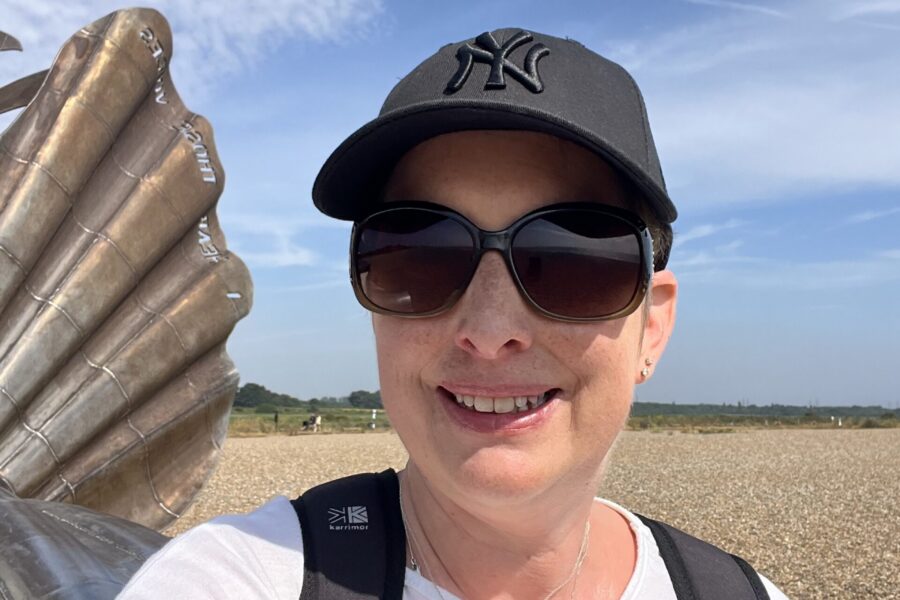
A mum from Ipswich is using Breast Cancer Awareness Month this October to encourage women to become familiar with the signs and symptoms of breast cancer and seek medical advice if they notice any unusual changes.
Julie Kerridge was first diagnosed with breast cancer in 2018 and underwent surgery, chemotherapy and radiotherapy. After several years in remission, she was diagnosed with secondary breast cancer last year and continues to receive ongoing treatment.
Breast cancer is the most common cancer in women in the UK, and early diagnosis can significantly improve treatment outcomes.
The NHS encourages regular self-checking and to contact your GP practice if you notice anything unusual or that does not look or feel normal for you.
Symptoms to look and feel for when checking your breasts or chest include:
- a lump or swelling in your breast, chest or armpit
- a change in the skin of your breast, such as dimpling (it may look like orange peel) or redness, which may be harder to see on black or brown skin
- a change in size or shape of one or both breasts, or either side of your chest–it’s common for breasts to be different sizes, but check for any changes that are not normal for you
- nipple discharge (if you’re not pregnant or breastfeeding), which may have blood in it
- a change in the shape or look of your nipple, such as it turning inwards (inverted nipple) or a rash on it (it may look like eczema)
- sores or ulcers on your chest
Women are first invited for NHS breast screening between the ages of 50 and 53 and are then invited every three years until their 71st birthday. After that, women can self-refer for screening if they have any concerns. Attending screening appointments is important, as breast screening can detect cancers before they can be seen or felt.
Julie, who works as a Senior Finance Business Partner at NHS Norfolk and Suffolk Integrated Care Board, said: “I was below the screening age when my breast cancer was diagnosed. I’d been living life to the full, busy with work, family and everyday life, when I felt a lump in my breast and went to get it checked out.
“Everything changed, and it was brutal. Breast cancer affects far more than the person diagnosed. It impacts families, friends, colleagues and entire communities. That’s why raising awareness, encouraging regular self-checks and supporting vital research is so important.
“The hardest part of my diagnosis is the effect it has on my family and friends. I am so lucky to have such a great support network both at home and with my colleagues at work.
“After years of remission, living with secondary breast cancer is not just physically different, it’s emotionally hard too. But one thing I am passionate about is helping others understand the importance of knowing their bodies and recognising when something isn’t right and asking for help.
“Early diagnosis saves lives. If sharing my experience encourages someone to check their breasts or seek advice about a change they have noticed, then that conversation could make all the difference. I know it’s difficult asking for help but there is so much support.”
To help raise awareness among colleagues, Julie has organised ‘Wear it Pink’ and ‘Bake it Pink’ events at the ICB’s offices in Ipswich and Norwich later this month. The events will provide an opportunity for staff to come together, share information and promote the importance of breast awareness.
Lisa Nobes, Director of Nursing at NHS Norfolk and Suffolk ICB, said:
“I am extremely grateful to Julie for sharing her personal experience. Her openness and determination to raise awareness help bring this important message to life and remind us of the difference that regular self-checks and early diagnosis can make.
“I would encourage everyone to take a few moments to familiarise themselves with the signs and symptoms of breast cancer and to contact their GP practice if they notice any changes.
“It is also vital that women attend breast screening when invited, as screening can identify cancers at an early stage, often before any symptoms develop.
“We should remember that, although rare, breast cancer can also affect men. Everyone should know what is normal for them and seek advice promptly if they notice any changes. It could save your life.”