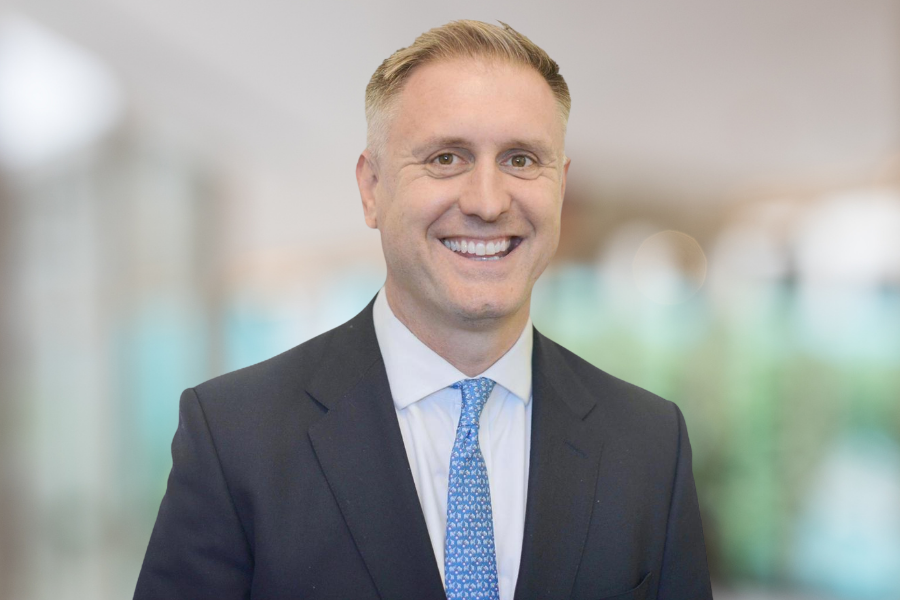
A monthly health and care update from Ed Garratt OBE, Chief Executive
Inside this briefing: Population Health Management in action · Preparing for winter · Robotic surgery · Supporting children and families · Looking ahead to reducing waits
Welcome to the first Norfolk and Suffolk Briefing. This is where I’ll share my view of what matters across health and care in Norfolk and Suffolk – the progress we’re making, the challenges we’re working through and the issues that will shape what happens next. My aim is to share a clear and useful picture of what’s happening across our system, how it connects and, importantly, what it means for the people and communities we serve.
As autumn sets in, preparing for winter is inevitably coming into sharper focus. Our seasonal vaccination programme is underway and teams across health and care are working together to prepare for the pressures ahead. Winter is always a test of how well our system works together, but our focus cannot simply be on managing demand when it arrives. The bigger challenge – and opportunity – is to keep changing the way we work so that more people stay well, get help earlier and receive the right care in the right place.
That thread runs through much of what I want to share this month. From new technology and investment improving patient care to work with our partners to prevent ill health and support independence, these are different pieces of the same picture: building a health and care system that intervenes earlier, works more seamlessly and delivers better outcomes for our population.
We can see the same direction nationally. The reformed National Cancer Board has begun its work to drive improvements in cancer care, while the expansion of the Healthy Babies programme will help more families access joined-up support closer to home. National policy sets an important direction; our job is to turn those ambitions into meaningful change for people here in Norfolk and Suffolk.
There have also been important moments for reflection. The final report of the Thirlwall Inquiry was published in September, and my thoughts remain with the babies and families at the heart of the Inquiry and all those affected. Its findings carry important lessons for every part of the NHS, particularly around patient safety, leadership and how we listen and respond when concerns are raised. We will consider the recommendations carefully with our partners and what they mean for us locally.
Spotlight: Finding people at risk earlier
Something I’m particularly keen to highlight this month is the fantastic work of our Norfolk Familial Hypercholesterolaemia (FH) Identification Hub, which has won a national Picker Experience Network Award for helping identify people at risk of inherited high cholesterol – a genetic condition that can significantly increase the risk of heart disease if left untreated.
Commissioned by our ICB and delivered in partnership with Norfolk and Norwich University Hospitals, primary care, East Genomics and Health Innovation East, the Hub is a great example of how we can bring together population health data, clinical expertise and proactive patient engagement to help people access support earlier.
In less than nine months, our Population Health Management (PHM) team has made more than 3,000 calls to 1,573 patients, helping 930 people book screening appointments – around 60% of the identified high-risk cohort. The programme has also achieved 91% GP practice participation across Norfolk and Waveney, including 100% coverage in Great Yarmouth and Waveney and West Norfolk.
What makes this work particularly exciting is its potential at scale. Rather than waiting for people to seek help or relying on individual practices to identify those at risk, we can proactively reach patients across our communities, prioritising those with the greatest clinical need and making better use of specialist resources.
My congratulations to everyone involved in this fantastic achievement. The award is thoroughly deserved, but what excites me most is the potential to build on this approach, helping us identify more people at risk, intervene earlier and improve health outcomes across Norfolk and Suffolk.
At our recent ICB Board meeting, we endorsed our approach to PHM using health information to identify people who could benefit from earlier support and intervention.
We heard how this approach is already making a difference. Norfolk and Waveney has moved from being among the lowest referring systems nationally to one of the leading referrers into a digital weight-management programme, with 26% of referrals coming from our most deprived communities.
This is encouraging progress, particularly in reaching people who may face greater barriers to accessing support. Our ambition now is to build on this success across Norfolk and Suffolk, using data and insight to identify those most at risk, tackle health inequalities and make prevention a much bigger part of how we plan and deliver care.
Delivering more care closer to home
There has been encouraging news for mental health services, with the Care Quality Commission rating NSFT’s community mental health services for older people as Good across all five areas inspected. The CQC highlighted high-quality care, strong leadership and partnership working, alongside positive feedback from patients and carers who felt listened to, involved in decisions and supported to maintain their independence. It is another important step in NSFT’s wider improvement journey and, above all, recognition of colleagues providing care and support to older people in communities across Norfolk and Suffolk.
East of England Community Health and Care NHS Trust has also been awarded prospective Advanced Foundation Trust status, placing it among a small number of NHS organisations nationally to achieve this recognition. It reflects the quality of care, leadership and improvement across the Trust and creates further opportunities to innovate, strengthen partnerships and transform services. Community services will play an increasingly important role as we shift care closer to people’s homes, making this a particularly significant milestone. Congratulations to everyone at EEC involved.
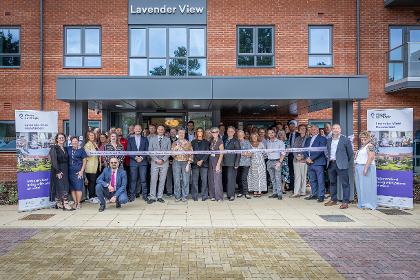
And care closer to home is about much more than NHS services. Lavender View, a new Independent Living scheme in Hunstanton, officially opened last month, providing 61 affordable homes for people aged over 55 with access to on-site care and support around the clock. Backed by investment from Norfolk County Council and developed with housing, care and community partners, it shows what can be achieved when we think more broadly about the support people need to remain independent, connected and well.
Making better use of digital and data
Digital technology and data have enormous potential to improve and join up care, but that opportunity depends on something fundamental: public trust.
There has understandably been significant interest in recent months in how NHS data is used and protected – from the national debate about the NHS Federated Data Platform and its supplier, Palantir, to recent attention on inappropriate access to patient records. Patients are right to expect clear safeguards around their information and confidence that it will be handled responsibly.
My position is straightforward: we should be ambitious about using technology and data to improve care, while being equally uncompromising about confidentiality, transparency and responsible use.
When we get that balance right, the benefits for patients can be significant – and we can see that already through some of the innovation happening here in Norfolk and Suffolk.
The new Norfolk and Norwich Institute of Robotic Surgery opened at NNUH, bringing together the hospital’s growing robotic surgery programme and doubling its capacity for robotic-assisted procedures. The £2.8 million facility, funded through charitable donations and gifts in wills, will help more patients benefit from less invasive surgery, reduced pain and faster recovery, while supporting innovation and the training of future surgeons. Ten years after NNUH carried out its first robotic procedure, it is a powerful example of how sustained investment in innovation can translate into better care.
At the James Paget University Hospital, a new FibroScan service is helping clinicians identify liver damage earlier through quick, non-invasive assessment, enabling patients to receive the right follow-up, advice or treatment sooner.
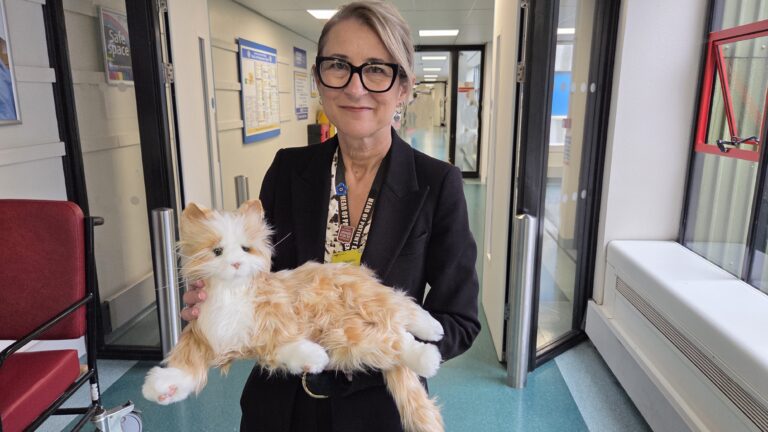
And innovation does not always have to be complex to make a difference. At ESNEFT, two robotic pets donated by the Alzheimer’s Society are providing comfort and reassurance to patients living with dementia. One patient who was distressed and missing her dog at home became noticeably calmer after being given the robotic dog to look after. It is a small intervention, but a lovely example of technology being used in a very human way – responding to what matters to the individual.
Moving from sickness to prevention
Our winter vaccination programme is now underway, with eligible people able to book their flu and COVID-19 vaccinations. Vaccination remains one of the most effective ways to protect those most at risk from serious illness, while helping to reduce avoidable hospital admissions and pressure on services. If you are eligible, I would encourage you to take up the offer as early as possible.
Prevention is, of course, much broader than vaccination. During Falls Prevention Week, we worked with partners across Norfolk and Suffolk to launch our Stay Steady and Safe campaign, highlighting six simple actions people can take to reduce their risk of falls and remain active, confident and independent for longer.
What I particularly value about this work is the partnership behind it, with councils, health services and community organisations connecting people with practical support close to home. It captures what moving from sickness to prevention means in practice: helping people stay well and independent rather than waiting until they need NHS care.
October is also Breast Cancer Awareness Month, and I was particularly moved by my colleague Julie Kerridge, from Ipswich, sharing her own experience of living with breast cancer to encourage others to know what is normal for them and seek advice if something changes. Julie was first diagnosed in 2018 and, after several years in remission, was diagnosed with secondary breast cancer last year. Her story is a powerful reminder of why early diagnosis matters. I’m very grateful to Julie for speaking so openly about something so personal in the hope that it might encourage someone else to act.
Taking a more proactive approach to our health also includes making the best use of the medicines we rely on. Our medicines waste campaign is encouraging people to check what they already have at home, only order the medicines they need and keep up with regular medication reviews. These simple habits can help people take a more active role in managing their medicines, while also tackling the estimated £480 million of unused medicines wasted across the NHS in England each year. Small actions can add up – for our health, NHS resources and the environment.
Working with partners to support wider social and economic development
Some of the most important influences on our health sit well beyond the NHS. That is why our relationships with local government, education, the voluntary sector and our wider communities matter so much.
In Suffolk, the County Council has launched its new Family Help service, bringing partners together so children and families can get the right support earlier. Rather than navigating multiple services and repeatedly telling their story, families will have one assessment, one plan and a dedicated practitioner helping to coordinate their support. Alongside this, a new multi-agency approach is bringing social care, health, education and police colleagues together to strengthen safeguarding for children at greatest risk. It is a simple but important principle: services should organise themselves around families, rather than expecting families to navigate the system.
That same commitment to earlier, more joined-up support was evident at Suffolk’s Belonging and Inclusion Conference, marking the launch of a new strategy developed with schools, health partners, children, young people and families. Its focus includes earlier support, mental health and helping children access the support they need within their local schools and communities. No single organisation can achieve that alone.
There have been some strong examples in Norfolk of how work beyond traditional health services is supporting healthier lives and stronger communities. Over the summer, nearly 1,700 young people took part in activities supported by County Council youth workers, creating safe spaces to connect with others, build confidence and talk about their wellbeing and aspirations. Much of this work supports young people who may be vulnerable to exploitation or social exclusion – an important reminder that improving health and wellbeing often starts long before somebody encounters an NHS service.
Eligible residents can also access free weight management support, with practical help around nutrition, physical activity and sustainable lifestyle changes. It is another example of the wider support available in our communities that can help people take positive steps for their health and wellbeing.
And there was national recognition for Norfolk’s Children’s Services team, which has been selected by the Government to help other councils improve children’s social care. Building on its Outstanding Ofsted judgement earlier this year, Norfolk is now one of a small number of areas providing intensive peer support elsewhere in the country – recognition of the progress made locally and an opportunity for expertise developed here to benefit children and families further afield.
Partnership also means making sure people have a meaningful voice in how services develop. Healthwatch Norfolk is currently inviting people across Norfolk and Waveney to share their experiences and views to help inform the Norfolk and Waveney University Hospitals Group’s new Clinical Strategy, which will shape the future direction of services provided by the Norfolk and Norwich University Hospital, the Queen Elizabeth Hospital in King’s Lynn and the James Paget University Hospital over the next 10 to 20 years.
Crucially, this work is still at an early stage. That means there is a real opportunity for the experiences and priorities of patients, residents and communities to inform the thinking as it develops. Decisions about the future of our health services are stronger when they are shaped by the people who use them, and I would encourage people across Norfolk and Waveney to take the opportunity to share their views.
Celebrating our people
Behind everything we do are the people who make it possible, and I want to recognise just a few of them here.
For our own ICB, our first all-staff event marked an important milestone since we formed in April, bringing colleagues together around three themes: understand, connect and move forward. It was a valuable opportunity to strengthen connections across our new organisation and look ahead together.
Congratulations to our Director of Medicines Optimisation and Chief Pharmacist, Mark Cheeseman, who was named 2026 European Regional Winner of Clinigen’s Lifetime Achievement Award. It is fantastic recognition of Mark’s contribution to pharmacy and patient care throughout his career, as well as the compassionate and supportive leadership he brings to colleagues across our system.
At Grove Surgery in Thetford, the team has been named a finalist in the Nursing Times Workforce Awards for Best Place to Work for Nursing Staff. The recognition follows a five-year transformation focused on compassionate leadership, staff wellbeing and development – creating a culture where colleagues can thrive and, in turn, deliver better care for patients. It’s great to see a local team being recognised nationally for putting its people at the heart of how it works.
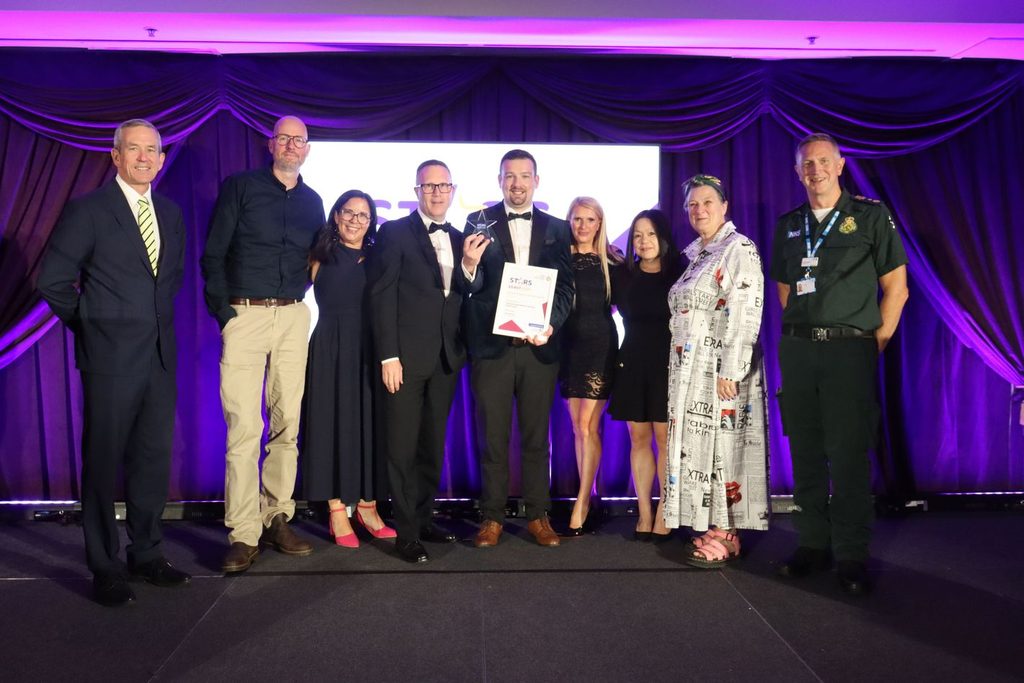
Congratulations also to the Clinical Assessment Service (CAS) team at East of England Ambulance Service, who were named Clinical Team of the Year at the Stars of EEAST Awards. Over the past year, the team has assessed more than 101,000 patients, helping people access the right advice, treatment and support without needing an ambulance or hospital visit where appropriate. It’s a fantastic example of how clinical expertise and teamwork can improve patient care while keeping ambulances available for those who need them most. Well done to everyone involved!
And finally, congratulations to Mike Wing, who has celebrated an extraordinary 25 years volunteering with Hospital Radio Lynn at the Queen Elizabeth Hospital. Mike still presents his Friday afternoon programme – including an hour devoted to his beloved music of the 1960s. Twenty-five years of giving his time to patients, colleagues and the hospital community is quite an achievement. Thank you, Mike.
Looking ahead
One of our most important priorities is reducing long waits for care. We know that waiting too long for an appointment, diagnosis or treatment can have a real impact on people’s health and their lives, and we are determined to make faster progress.
Over the coming months, we will be stepping up activity across hospital, diagnostic, community, mental health and children’s services, with a particular focus on where waits are longest and where we can make the greatest difference. The plans are being finalised now, and I look forward to sharing more soon about what this will mean for patients and families.
Ultimately, this is about a simple ambition: helping more people get the care they need, sooner.
Ed Garratt OBE
Chief Executive
NHS Norfolk and Suffolk Integrated Care Board