Treatment
Your diabetes team can help you set a target HbA1c level to aim for. Your HbA1c is your average blood sugar level over three months. Even if your HbA1c is at your target level, it is important to avoid as many episodes of high and low blood sugar as you can because swings in blood sugar also increase the risk of long-term complications.
If your blood sugar levels become too high or too low, this could lead to hyperglycaemia or hypoglycaemia (very high or very low blood sugar levels). These can quickly turn into an emergency.
Always ensure you have a drink or snack with you that will raise your blood sugar level if it does drop too low. It’s important to keep these by your bed as well, in case you are unwell during the night.
Find out more about hypoglycaemia
If you drive, you should check your blood sugar before setting off to ensure your levels are not too low. Please refer to guidance on this from the DVLA.
Make sure you have adequate supplies of your insulin, blood testing strips and any other medication in stock. If you can’t get out to pick up your prescription, ask a friend or relative to collect it for you. If this is not possible, speak to your regular pharmacy or dispensary about any support they can offer.
If you use an insulin pump, ensure you order your consumables before you run out.
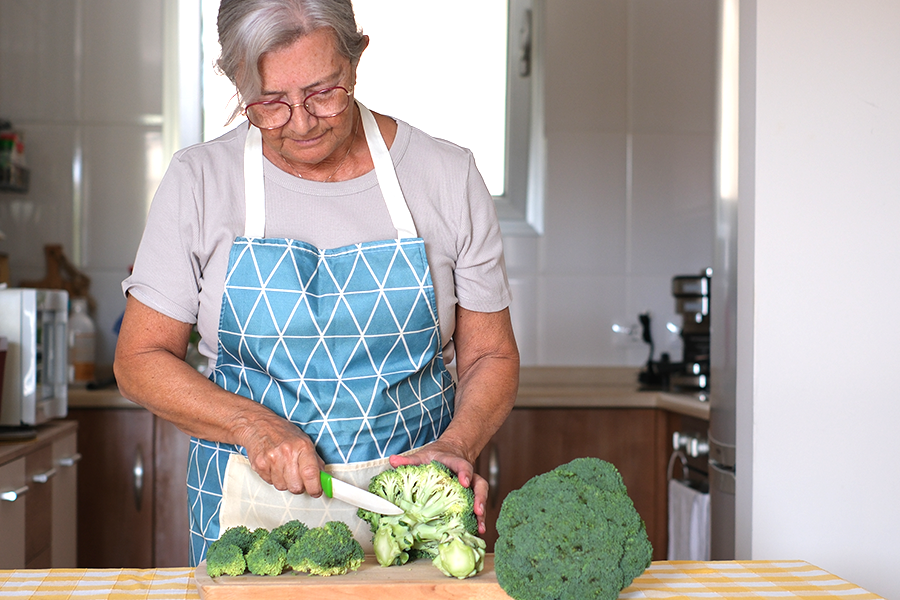
Maintaining a healthy lifestyle is a key factor in the management of type 1 diabetes
Learn about local support services that can help you make positive changes.
Healthy living advice and support for people in Norfolk
Healthy living advice and support for people in Suffolk
Health checks
As type 1 diabetes is a long-term condition, you will be in regular contact with your diabetes care team.
You should also be seen at least once a year to check how well your diabetes is being controlled over the long term.
At your diabetes annual review you will have eight key health checks. These are very important as they help to pick up any changes early and prevent them getting worse.
You will also be invited to have an annual flu jab. You should have your flu vaccination before the start of winter as people with diabetes are at increased risk of becoming seriously ill from the virus.
More information
Diabetes UK has up-to-date information and support. Their website offers free meal plans, information about medications and diabetes-related complications, and support forums where you can get in touch with other people living with diabetes across the UK.
Breakthrough T1D also has a lot of information to help people with type 1 diabetes.
You should have been given advice about how to look after yourself when you are ill – known as your ‘sick day rules.’ Your diabetes care team can help you with this.
If you need help
You can access healthcare services 24 hours a day, seven days a week. If there is an urgent need, you can obtain medical advice by visiting 111.nhs.uk or by phoning NHS 111.
Which service do I need?